Diabetic retinopathy symptoms and screening
Diabetes quietly damages the blood vessels at the back of the eye. Often there are no symptoms until sight is already lost, so a yearly retinal check matters.
Anyone with diabetes needs a retinal check every year, even when their eyes feel fine.
What is diabetic retinopathy?
The retina is the light-sensitive layer at the back of the eye. Over time, high blood sugar damages its tiny blood vessels. They can leak fluid or blood, swell, or be replaced by fragile new vessels that bleed.
In the early stages, vision is usually normal. That is why diabetic retinopathy is often found late. Found early, treatment with laser or injections and good control of blood sugar and blood pressure can prevent most serious vision loss.
Signs to look out for
- Often no symptoms at all in the early stages
- Blurred or fluctuating vision
- Dark spots or strings floating in your vision
- Patches of vision that are dark or missing
- Difficulty seeing at night
Who is most at risk
- Having diabetes for many years
- Blood sugar that is not well controlled
- High blood pressure or high cholesterol
- Kidney disease
- Pregnancy, for women who have diabetes
How HealthHusk helps
We find diabetic retinopathy early, close to home, and make sure the people who need specialist treatment reach it.
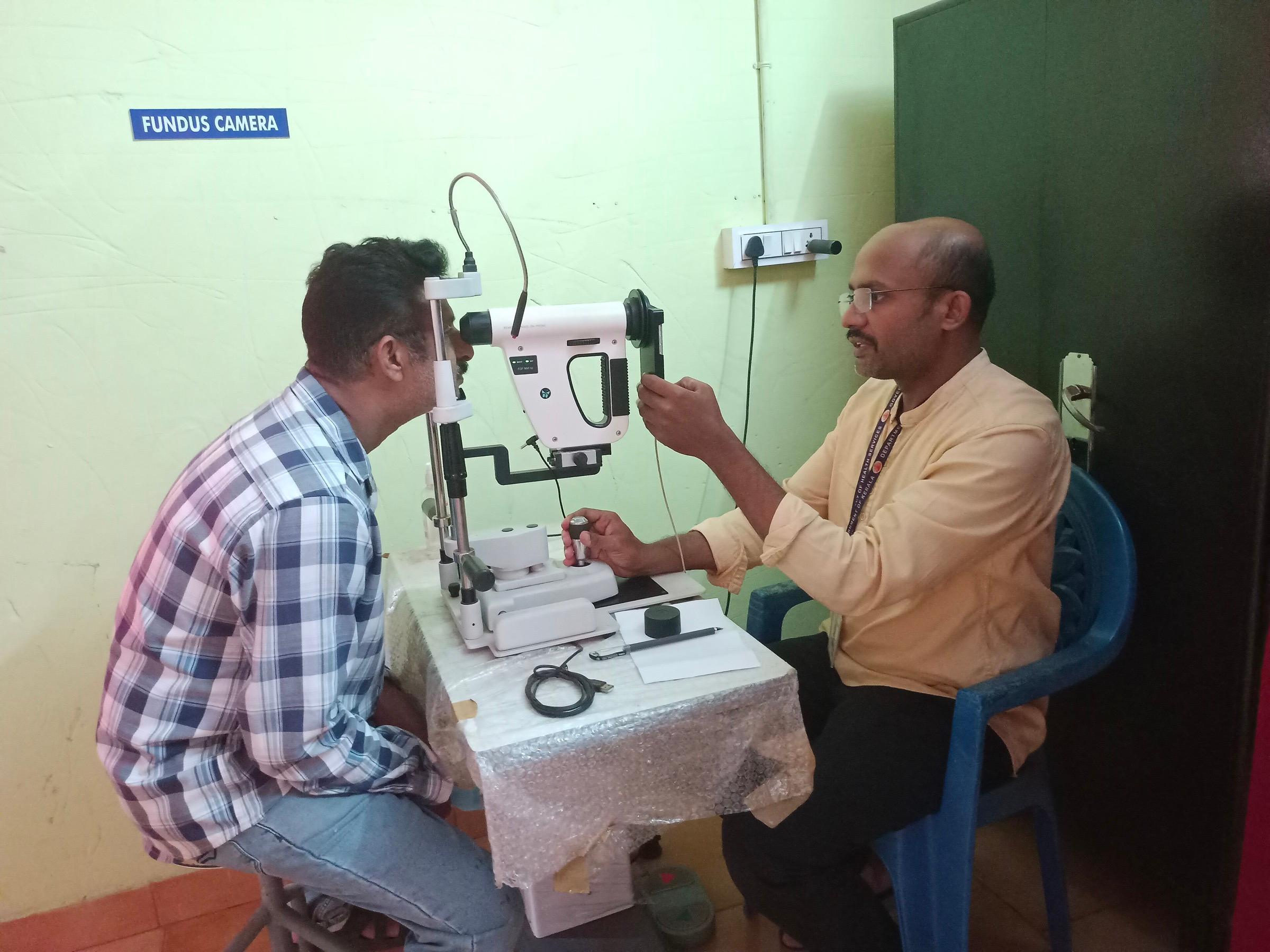
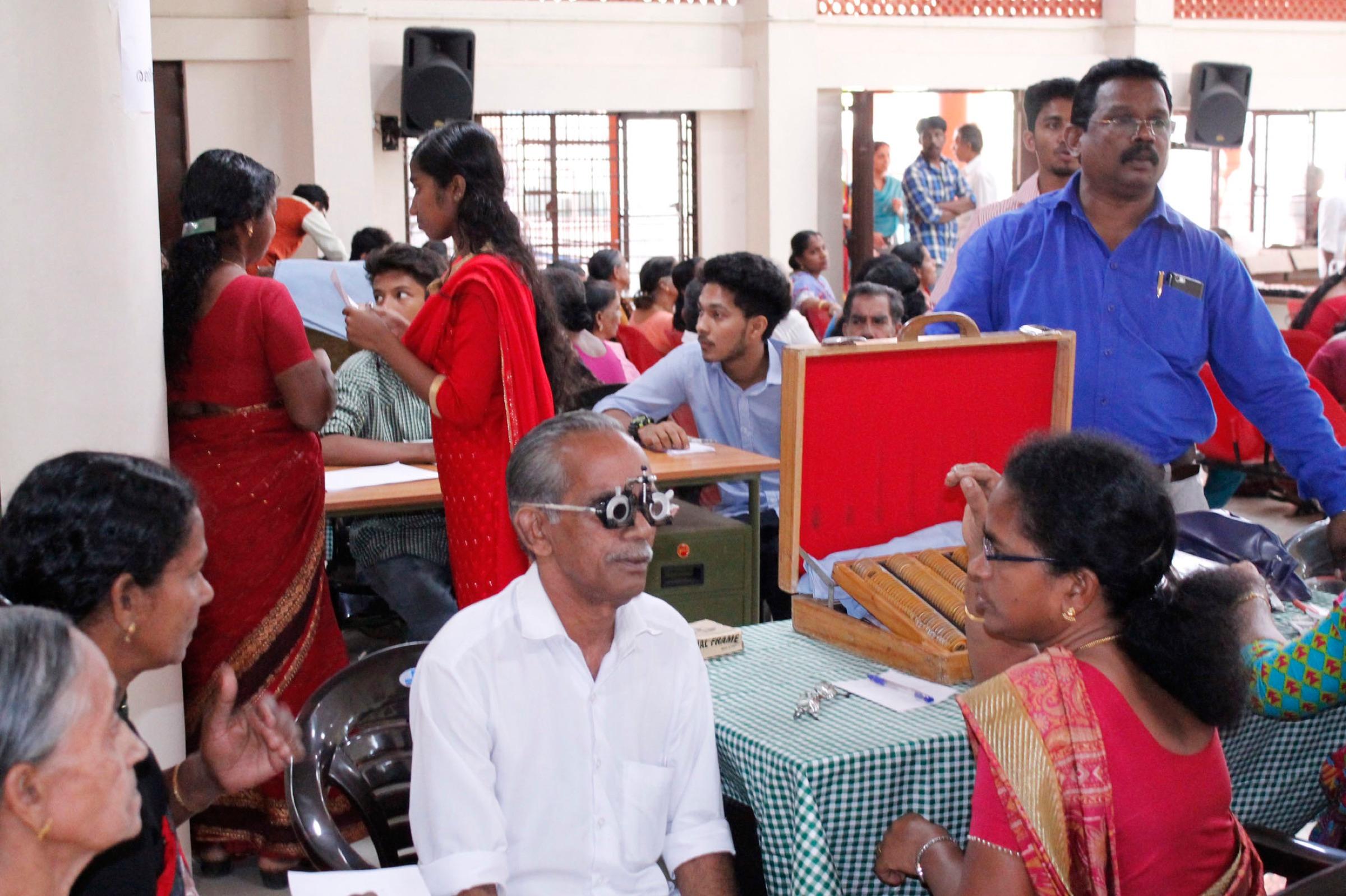
- Photographs of the retina, taken at the centre with a fundus camera
- The images read by an eye specialist through tele-ophthalmology
- Timely referral for treatment when it is needed
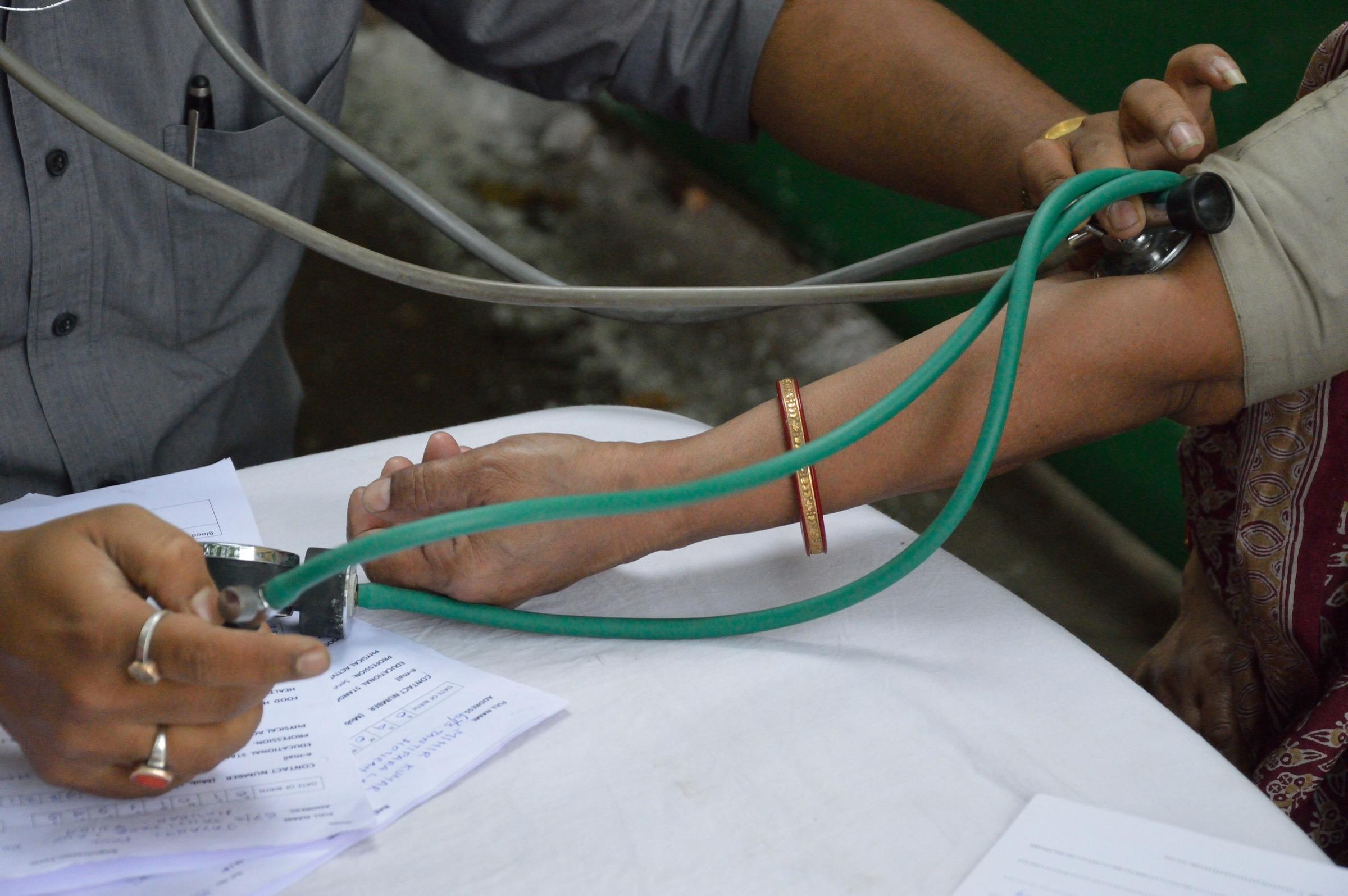
- Blood glucose and blood pressure screening at the same visit
- A reminder for your next yearly retinal check
Other conditions we screen for
Cataract
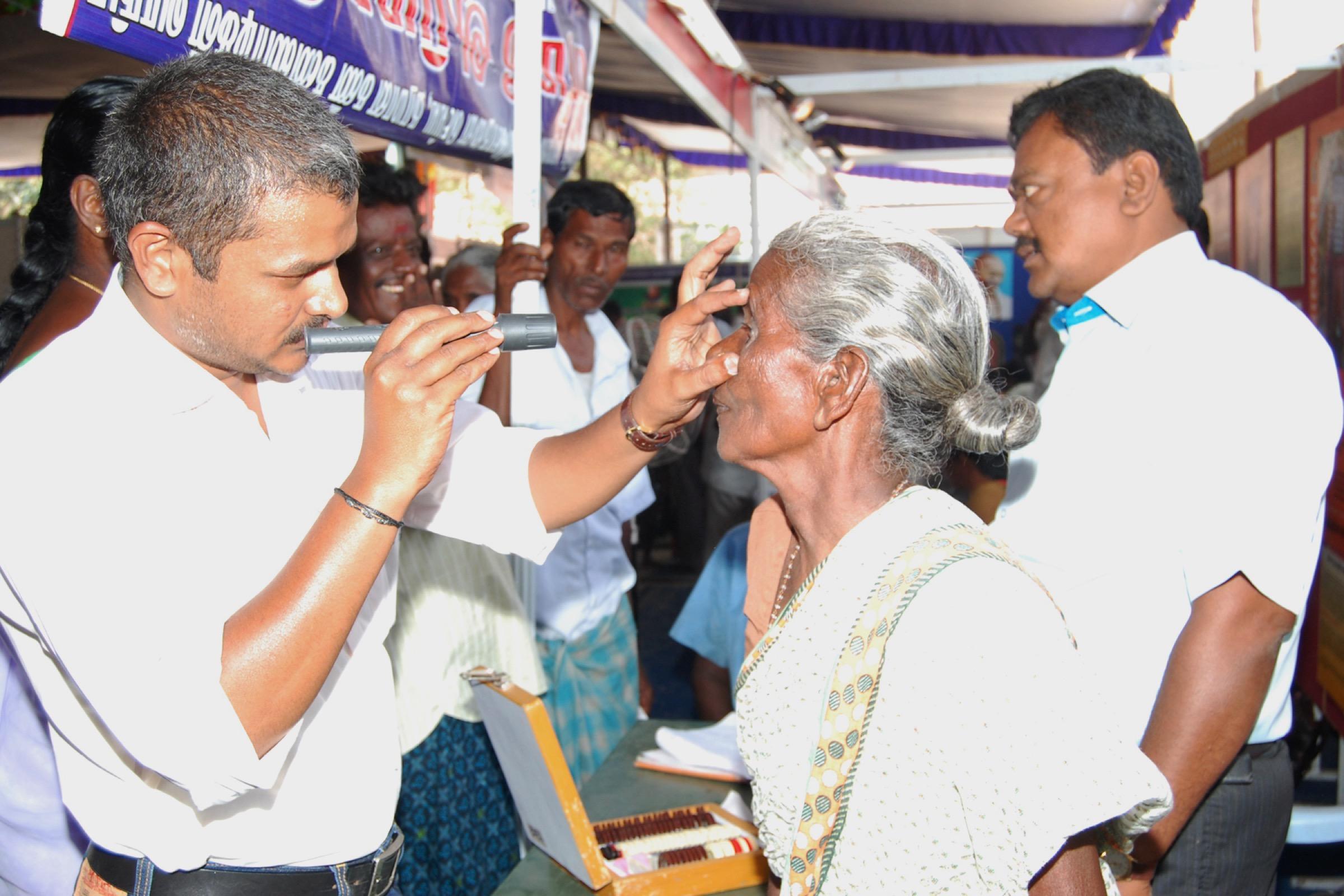
The lens inside the eye turns cloudy, and the world fades behind it. It is the most common cause of blindness in older Indians, and one of the most treatable.
Glaucoma
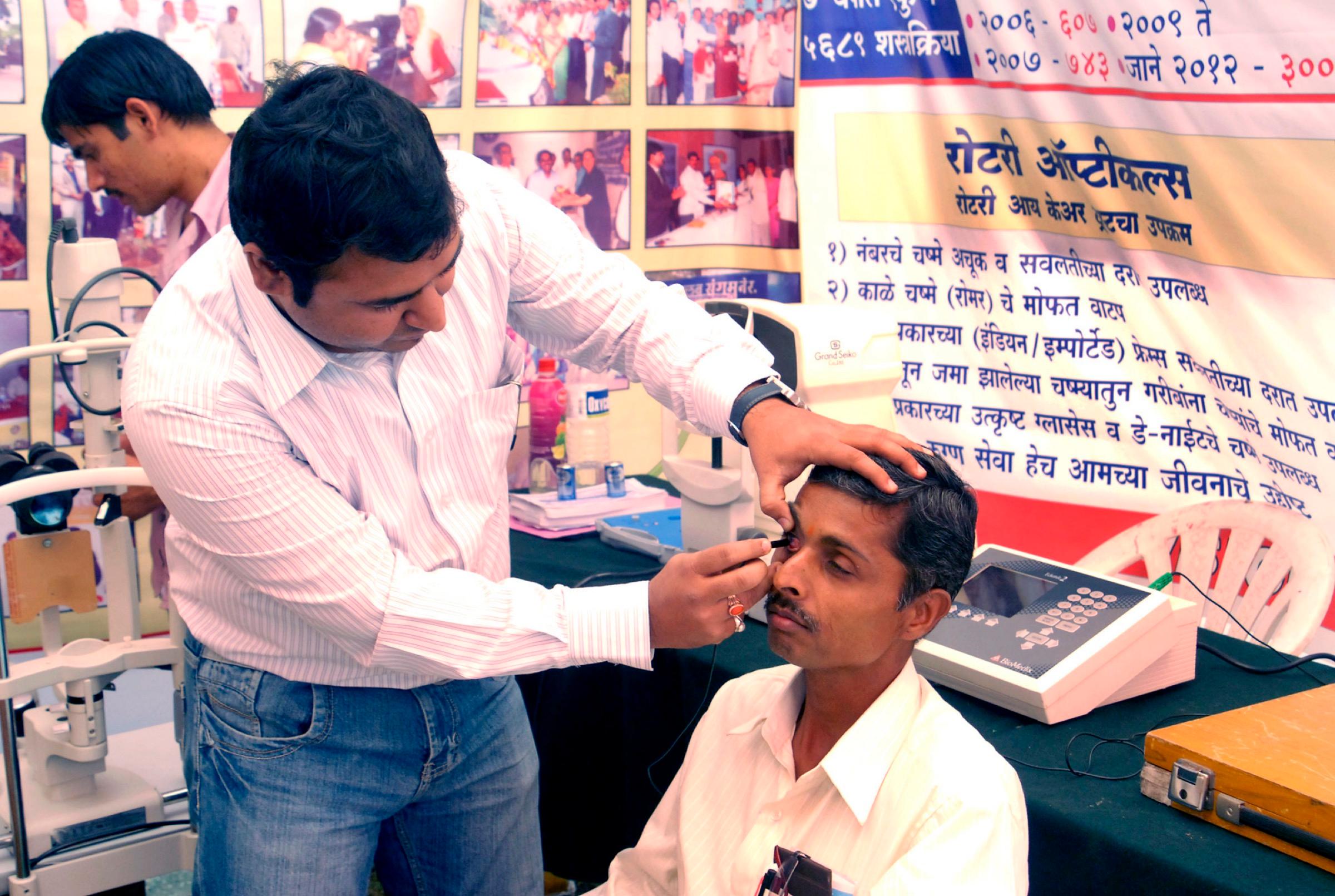
Glaucoma damages the optic nerve and slowly closes in side vision. Most people don't notice until it is advanced, and lost vision cannot be restored.
Refractive error
Short sight, long sight and age-related difficulty with near vision blur the world. Often a pair of spectacles is all it takes to see clearly again.
Diabetic retinopathy: common questions
Can’t find your answer? Ask for a call back and we’ll talk it through.
My vision is fine. Do I still need a retinal check?
Yes. Diabetic retinopathy usually causes no symptoms until it is advanced. A retinal photograph can show damage years before you notice any change, when treatment works best.
How often should I have my eyes checked if I have diabetes?
Most people with diabetes should have a retinal check at least once a year. Your eye specialist may ask you to come more often if they see early changes, or if you are pregnant.
Do I need eye drops for the retinal photograph?
Often not. Many modern fundus cameras can photograph the retina without dilating drops. If drops are needed, your vision may be blurred for a few hours, so bring someone with you if you can.
More on diabetic retinopathy
Reach the unreached. Detect early. Intervene on time.
Book an eye screening
Tell us where you are and we'll call you back with the nearest centre or camp.
- Phone+91 88828 97122
- WhatsAppMessage us on WhatsApp