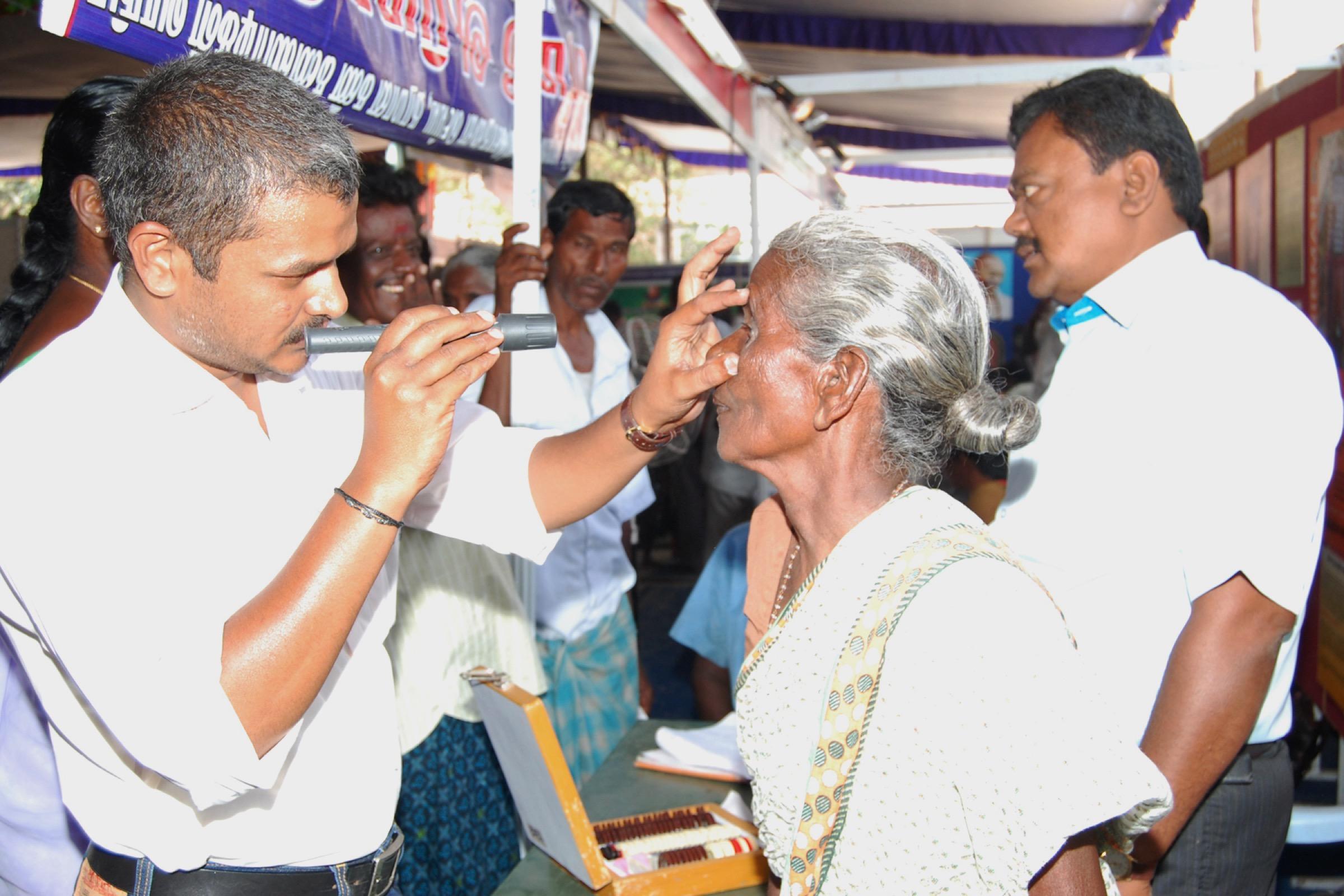
Cataract symptoms, screening and treatment
The lens inside the eye turns cloudy, and the world fades behind it. It is the most common cause of blindness in older Indians, and one of the most treatable.
Sight lost to cataract can almost always be given back.
What is cataract?
Inside each eye is a clear lens that focuses light. With age, the proteins in it slowly clump together and the lens turns cloudy, like looking through frosted glass. It usually affects both eyes, one sooner than the other.
Cataract cannot be cured with eye drops or spectacles. When it starts to affect daily life, a short operation replaces the cloudy lens with a clear artificial one. It is one of the most common and successful operations in the world.
Signs to look out for
- Blurred, dim or cloudy vision
- Colours that look faded or yellowed
- Glare from sunlight or headlights, and halos around lights
- Needing more light to read
- Spectacles that need changing often, or stop helping
Who is most at risk
- Age over 50
- Diabetes
- Smoking
- Many years of strong sunlight without eye protection
- An eye injury, or long-term use of steroid medicines
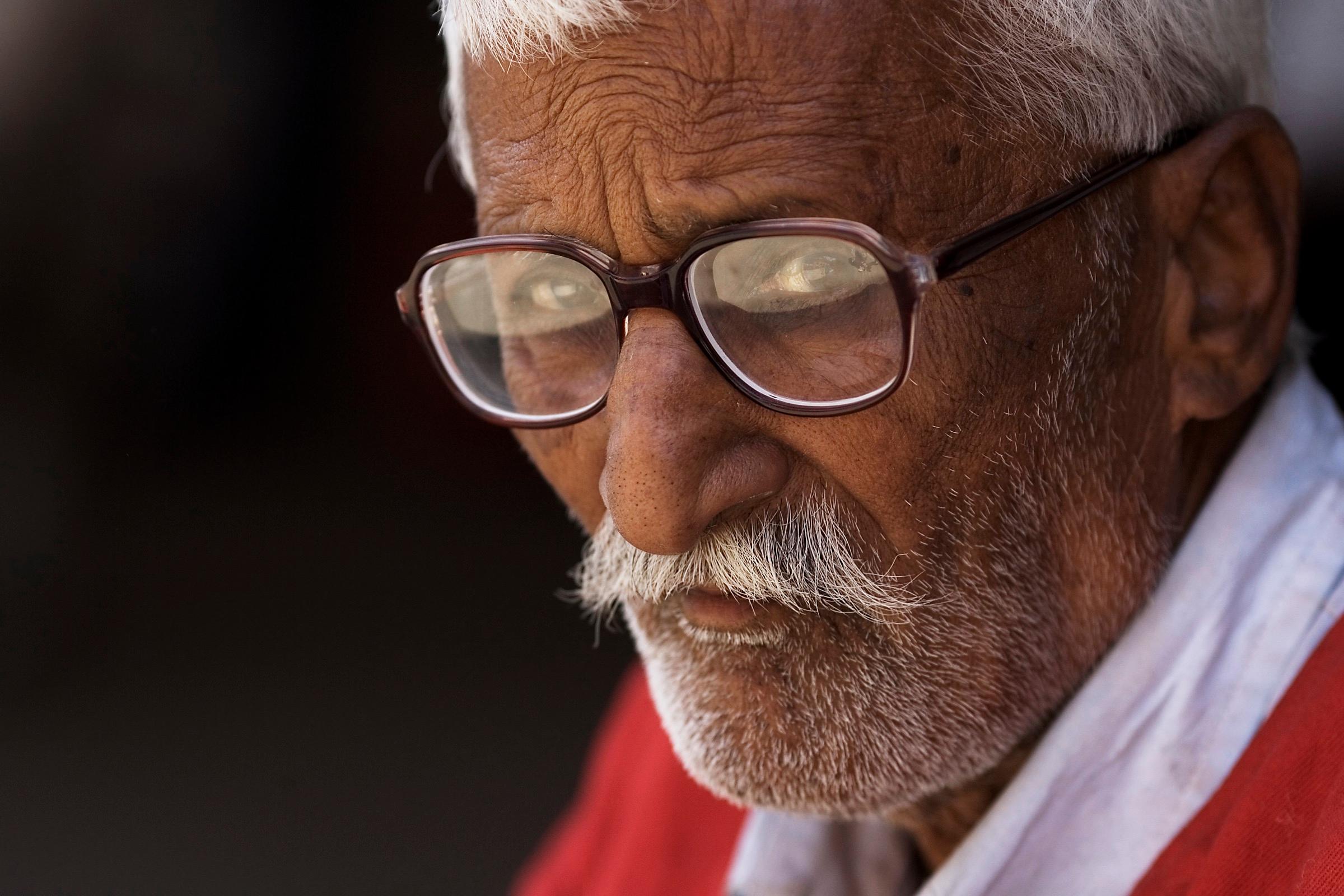
How HealthHusk helps
We find cataract early, close to home, and make sure the people who need specialist treatment reach it.
- A vision test and advanced eye examination at a Primary Vision Centre or camp
- An assessment of how much the cataract affects daily life
- Referral to a partner hospital for surgical evaluation
- Help arranging the hospital appointment
- Follow-up after surgery, and new spectacles once the eye has healed
Other conditions we screen for
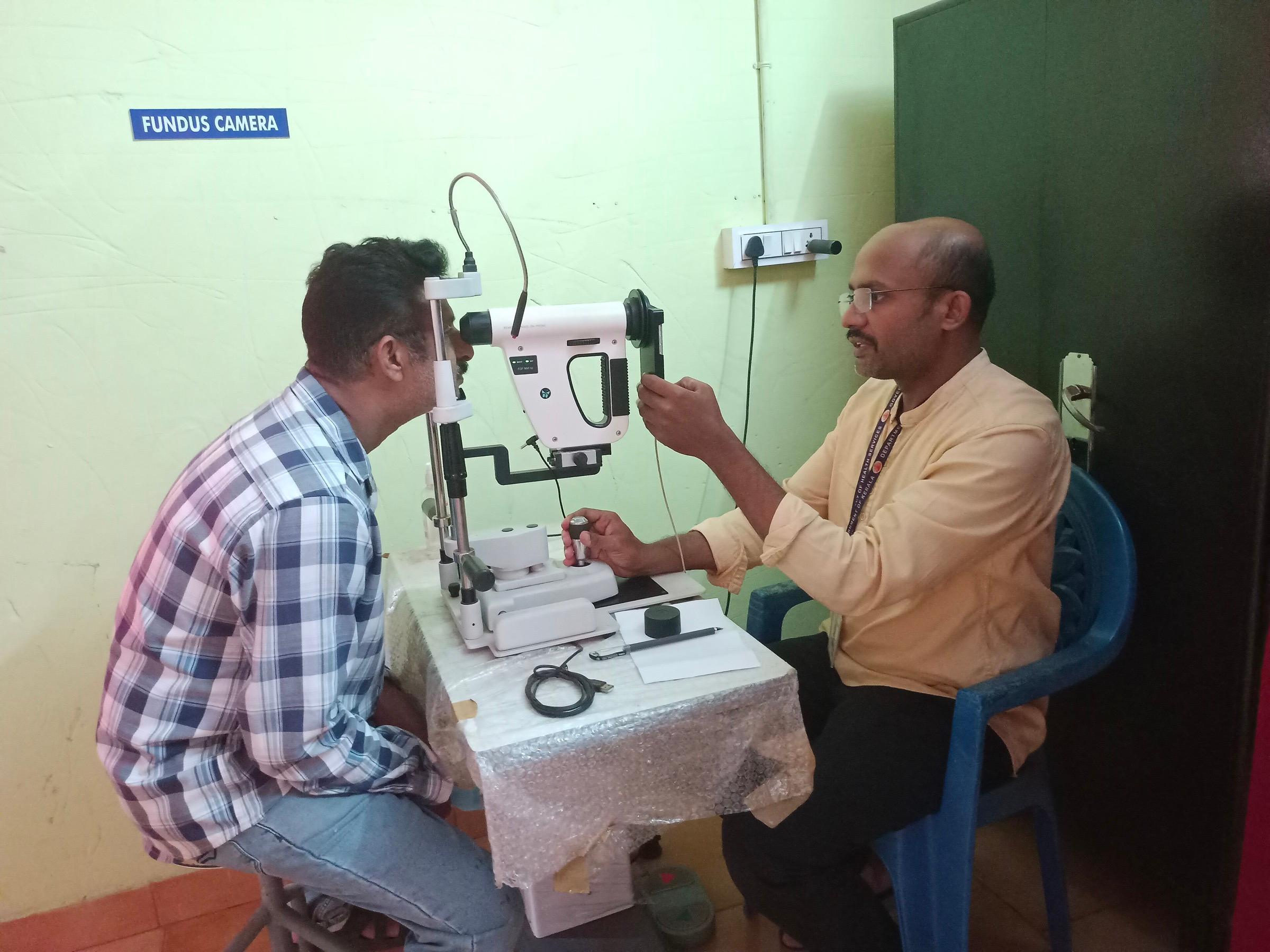
Diabetic retinopathy
Diabetes quietly damages the blood vessels at the back of the eye. Often there are no symptoms until sight is already lost, so a yearly retinal check matters.
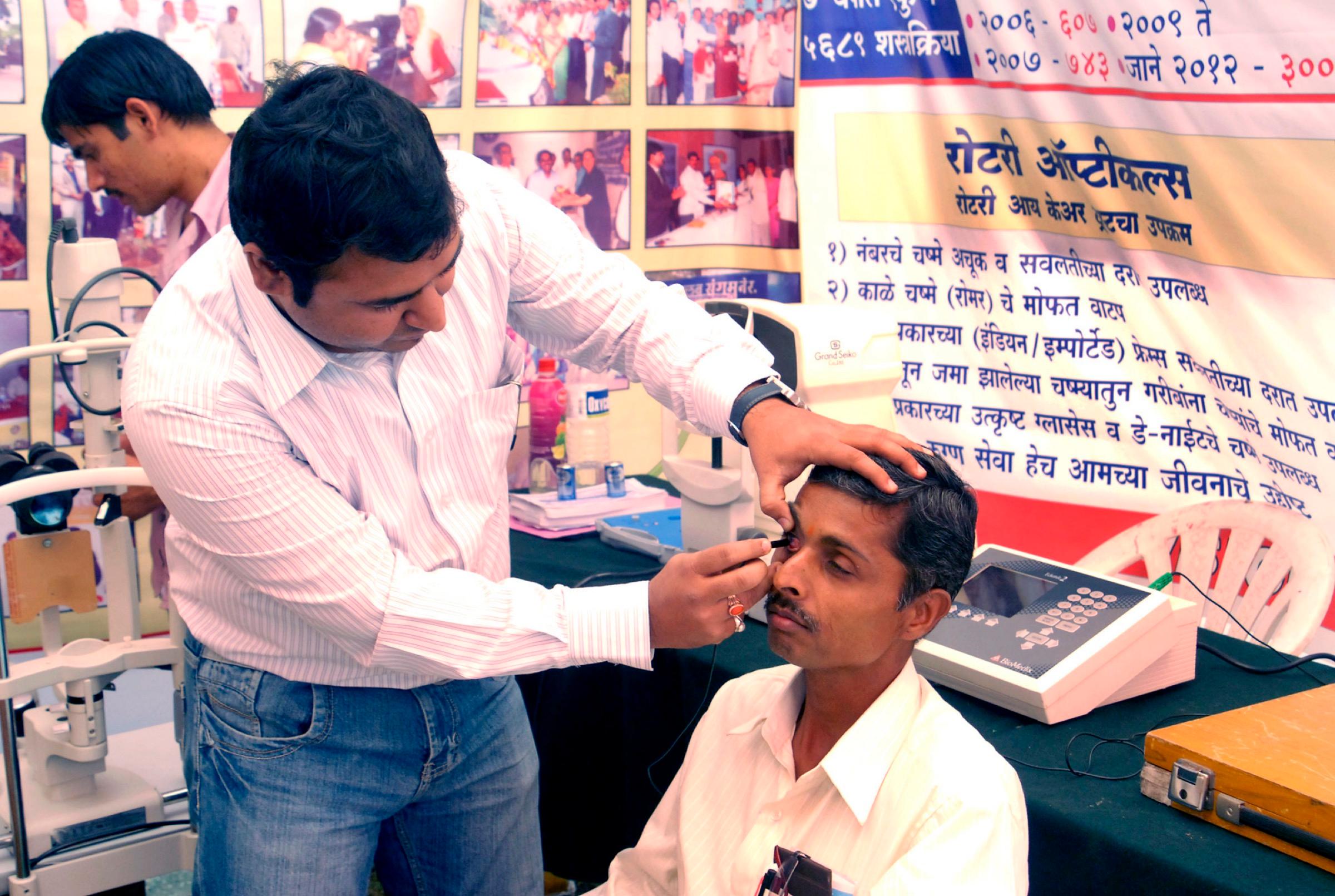
Glaucoma
Glaucoma damages the optic nerve and slowly closes in side vision. Most people don't notice until it is advanced, and lost vision cannot be restored.
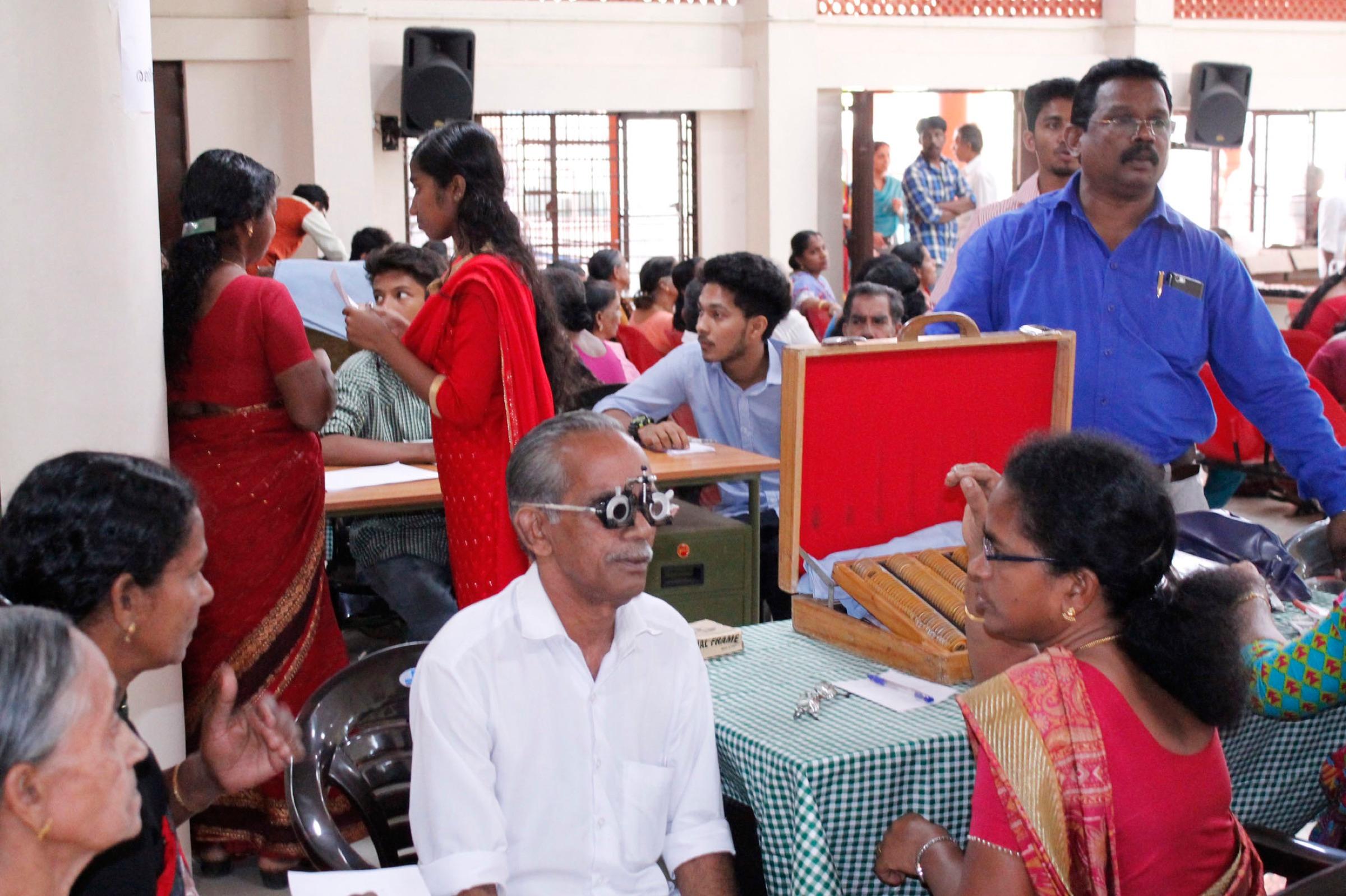
Refractive error
Short sight, long sight and age-related difficulty with near vision blur the world. Often a pair of spectacles is all it takes to see clearly again.
Cataract: common questions
Can’t find your answer? Ask for a call back and we’ll talk it through.
Does cataract need surgery straight away?
Not always. In the early stages, stronger spectacles and better lighting may be enough. Surgery is advised when the cataract makes everyday tasks such as reading, cooking, working or walking outside difficult. Waiting too long can make the operation more complicated.
Can eye drops or medicines remove a cataract?
No. There is no medicine or eye drop that clears a cataract. Surgery is the only treatment that restores vision.
Is cataract surgery painful?
The eye is numbed for the operation, which usually takes less than half an hour. Most people go home the same day and see better within days. The hospital team explains the aftercare in detail.
More on cataract
Reach the unreached. Detect early. Intervene on time.
Book an eye screening
Tell us where you are and we'll call you back with the nearest centre or camp.
- Phone+91 88828 97122
- WhatsAppMessage us on WhatsApp