2-minute read
About one in nine adults in India lives with diabetes. Many people know it can affect the heart and kidneys. Fewer know that it can also take away their sight, slowly and silently.
What diabetes does to the eye
At the back of the eye is the retina, a thin layer that turns light into the images we see. It is fed by tiny blood vessels. Years of high blood sugar damage these vessels. They can leak fluid or blood, swell, or be replaced by fragile new vessels that bleed easily. This is called diabetic retinopathy.
Why people don't notice
In the early stages, vision usually stays normal. There is no pain and no redness. Many people only find out when their sight is already blurred or patchy, and by then some damage may be permanent.
Who is most at risk
People who have had diabetes for many years
People whose blood sugar is often high
People who also have high blood pressure or high cholesterol
Women with diabetes who are pregnant
A photograph that protects your sight
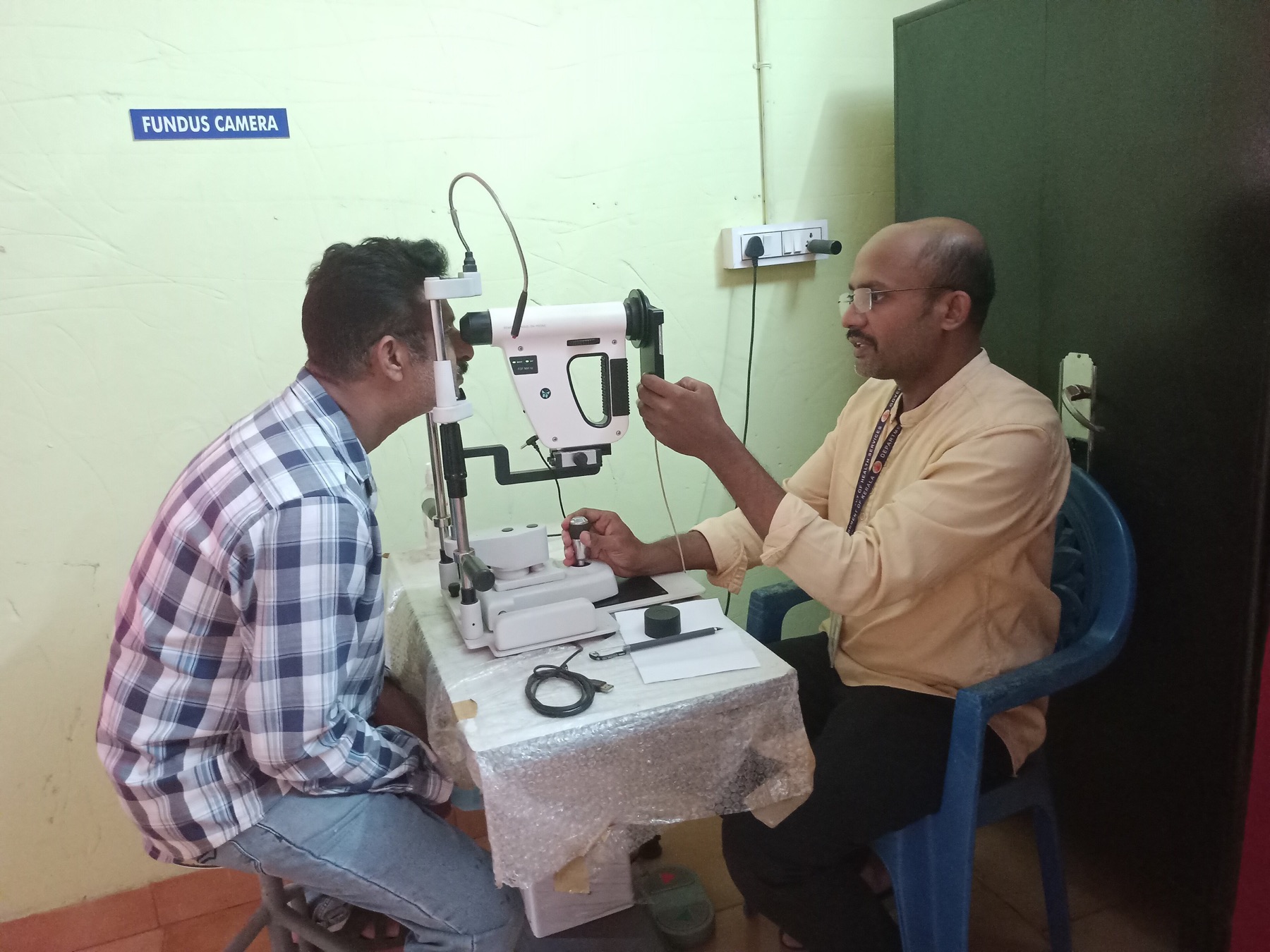
The good news is that diabetic retinopathy can be found long before it affects vision. A special camera takes a photograph of the retina in a few seconds. An eye specialist then looks for early signs of damage. At a HealthHusk Primary Vision Centre, these photographs can be reviewed by a specialist through tele-ophthalmology, so you don't need to travel to the city.
If changes are found early, treatment and better control of blood sugar and blood pressure can prevent most serious vision loss.
What you can do
Have a retinal check at least once a year, even if you see well
Keep your blood sugar, blood pressure and cholesterol under control
Take your medicines as prescribed
See an eye specialist quickly if your vision suddenly changes
Learn more: Diabetic retinopathy: symptoms, risks and how we help
Source: ICMR-INDIAB study, The Lancet Diabetes & Endocrinology, 2023
This article is general information, not medical advice. If you are worried about your eyes or health, see a qualified professional.
Photo: Ajeeshkumar4u, CC BY-SA 4.0