2-minute read
Most people only book an eye test when something feels wrong. The trouble is that some of the most serious eye diseases cause no pain and no change in vision until damage has already been done. A regular eye test finds these problems early, when more can be done.
A simple guide by age
Your eye care professional may suggest a different schedule for you, but these are good general rules.
Children: have a first full eye test before starting school, then regular checks while they are at school. Children rarely complain about poor vision because they assume everyone sees the way they do.
Adults under 40: every two years, or sooner if you notice any change.
Adults over 40: have a full eye examination at 40, when near vision often starts to change and the risk of glaucoma rises, then follow the advice you are given.
Adults over 60: once a year, because cataract, glaucoma and other age-related conditions become more common.
When you need more frequent checks
Some people should have their eyes checked at least once a year, whatever their age:
People with diabetes, who are at risk of diabetic retinopathy
People with high blood pressure
People with a close family member who has glaucoma
People who take steroid medicines for a long time
People with strong spectacle power
Signs you should not wait
See an eye care professional straight away if you have sudden loss of vision, a curtain or shadow across your sight, a sudden shower of floaters or flashes of light, severe eye pain, or an eye injury. These can be emergencies.
What an eye test involves
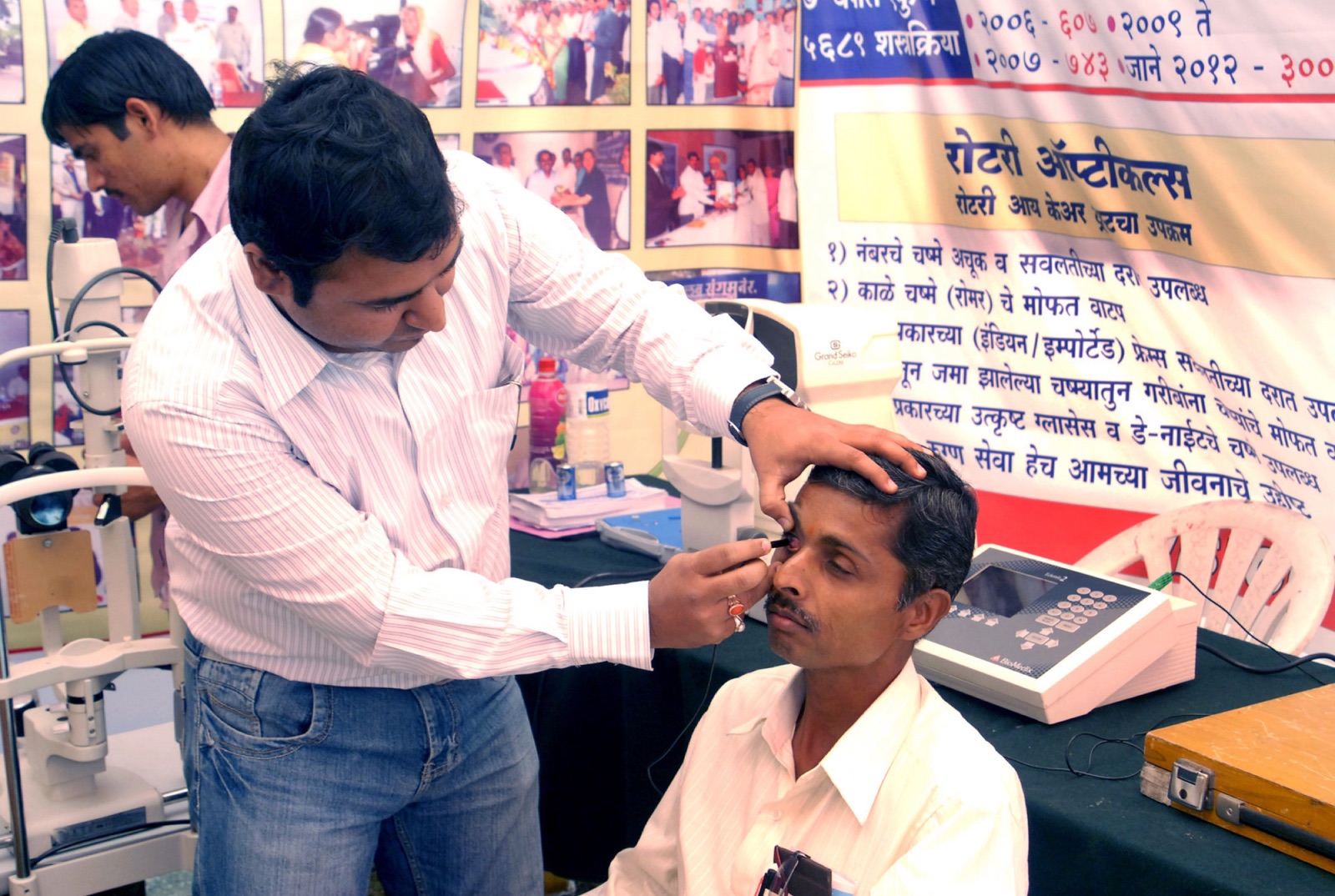
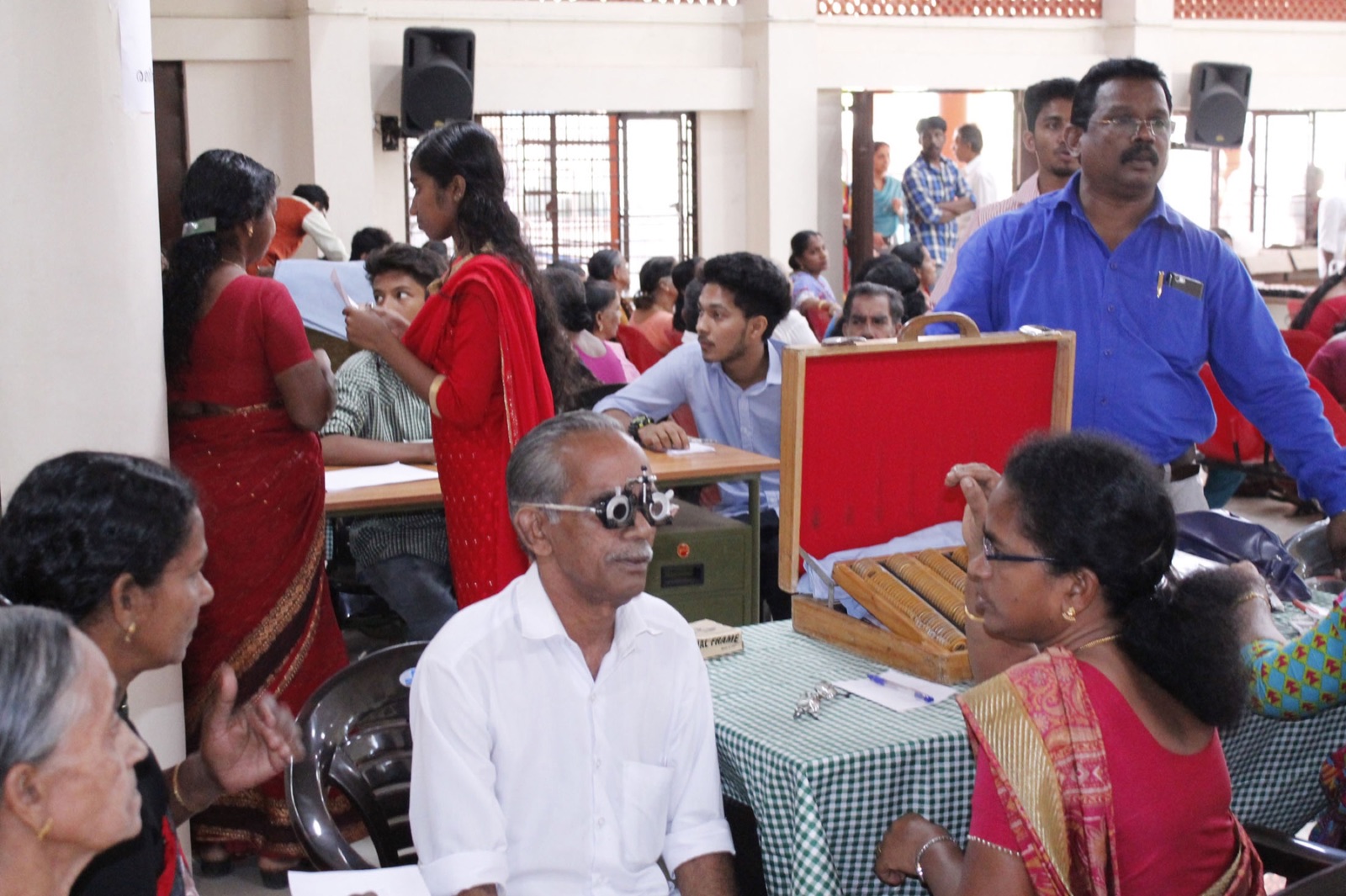
A basic vision test tells you how clearly you see. An advanced eye examination goes further and looks at the health of the eye itself, including the lens, the pressure inside the eye and the retina at the back. It is painless and usually takes less than an hour.
If you are not sure when you last had your eyes checked, it is probably time. Request a call back and we will help you book an eye screening.
This article is general information, not medical advice. If you are worried about your eyes or health, see a qualified professional.