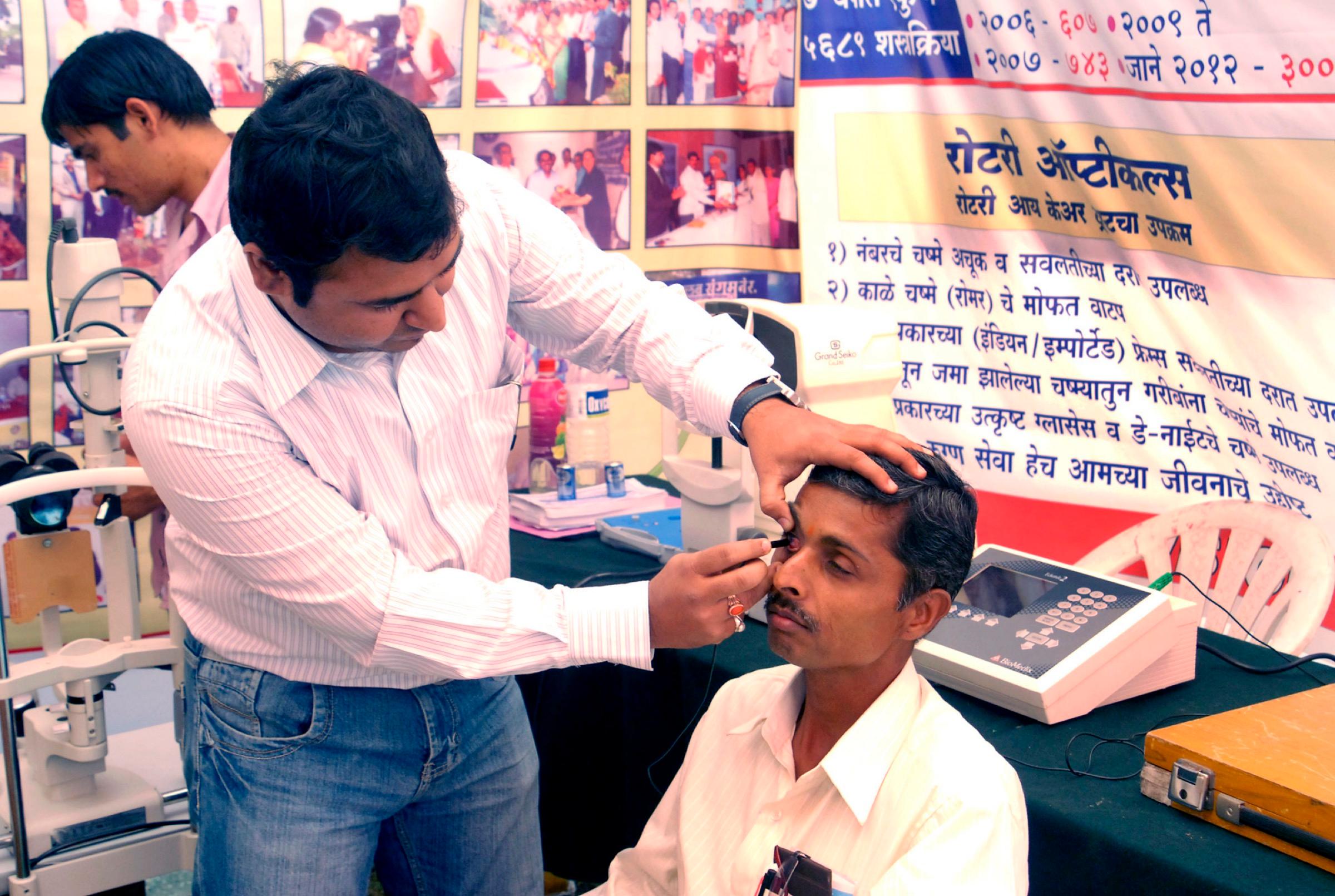
Glaucoma symptoms, risks and screening
Glaucoma damages the optic nerve and slowly closes in side vision. Most people don't notice until it is advanced, and lost vision cannot be restored.
Glaucoma can't be reversed. Found early, it can usually be stopped.
What is glaucoma?
The optic nerve carries signals from the eye to the brain. In glaucoma it is gradually damaged, often in connection with raised pressure inside the eye. Vision is lost from the edges first, so central vision can feel normal for years.
Treatment with eye drops, laser or surgery lowers the pressure in the eye and slows or stops further damage. Glaucoma needs lifelong care, so regular follow-up is as important as the diagnosis.
Signs to look out for
- Usually none until the disease is advanced
- Slowly narrowing side vision
- Bumping into things, or difficulty moving around in dim light
- Urgent: sudden eye pain, redness, headache, nausea and blurred vision with halos. Seek care the same day.
Who is most at risk
- Age over 40
- A parent, brother or sister with glaucoma
- Diabetes or high blood pressure
- Very short or very long sight
- Long-term use of steroid medicines, or a past eye injury
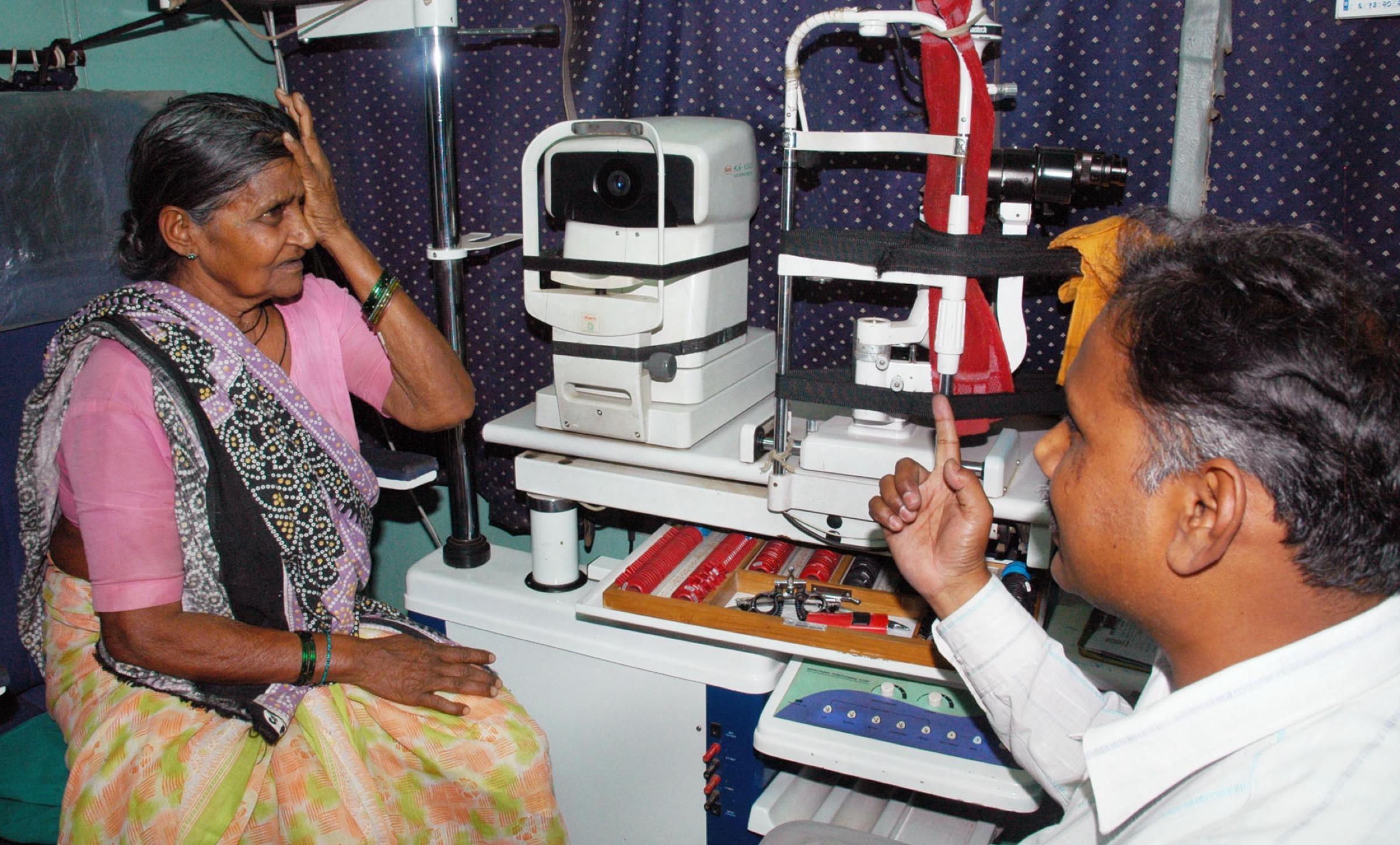
How HealthHusk helps
We find glaucoma early, close to home, and make sure the people who need specialist treatment reach it.
- Screening for warning signs during the advanced eye examination
- Suspicious findings reviewed by an eye specialist
- Referral for a full glaucoma assessment
- Support to keep up with follow-up visits and treatment
Other conditions we screen for
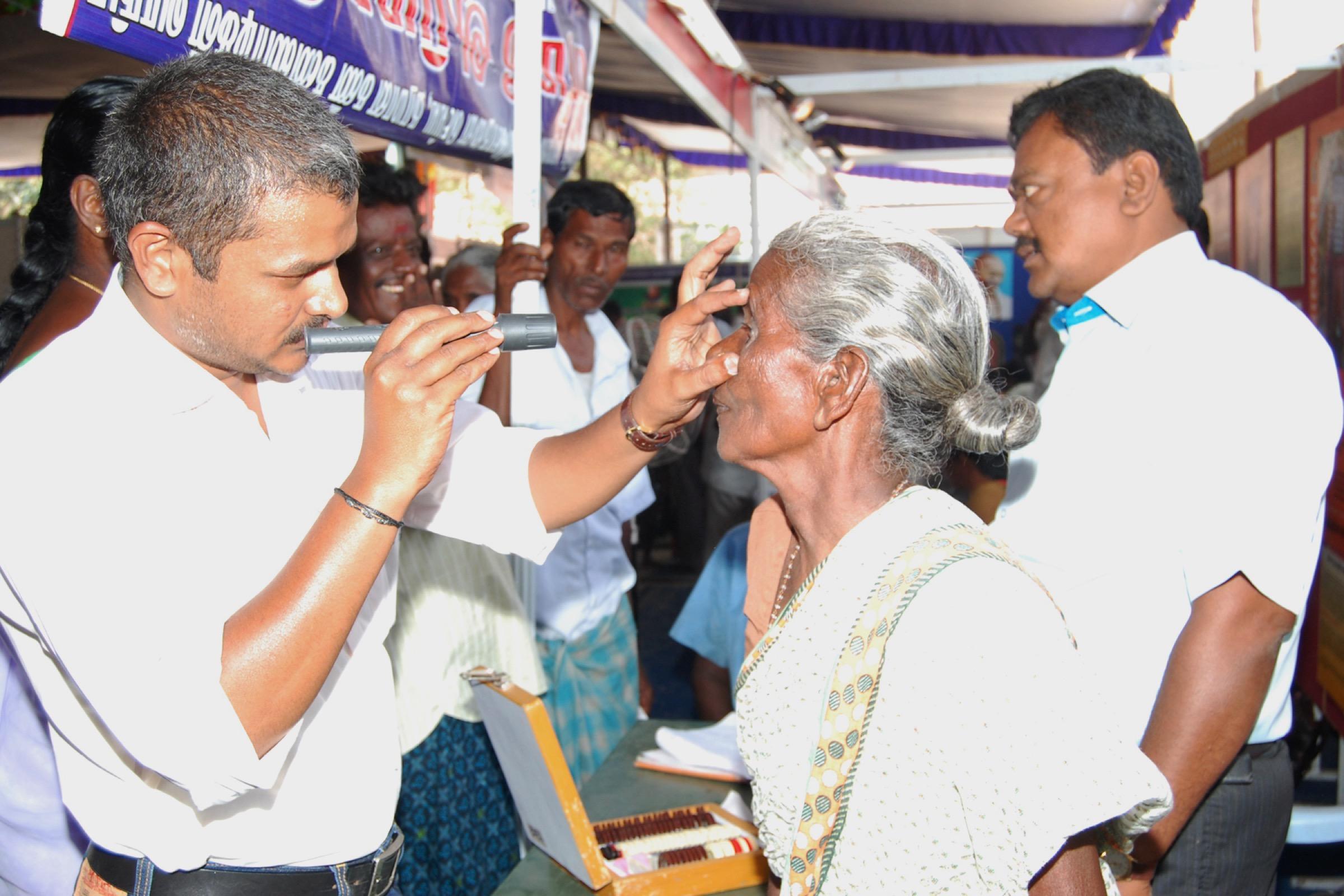
Cataract
The lens inside the eye turns cloudy, and the world fades behind it. It is the most common cause of blindness in older Indians, and one of the most treatable.
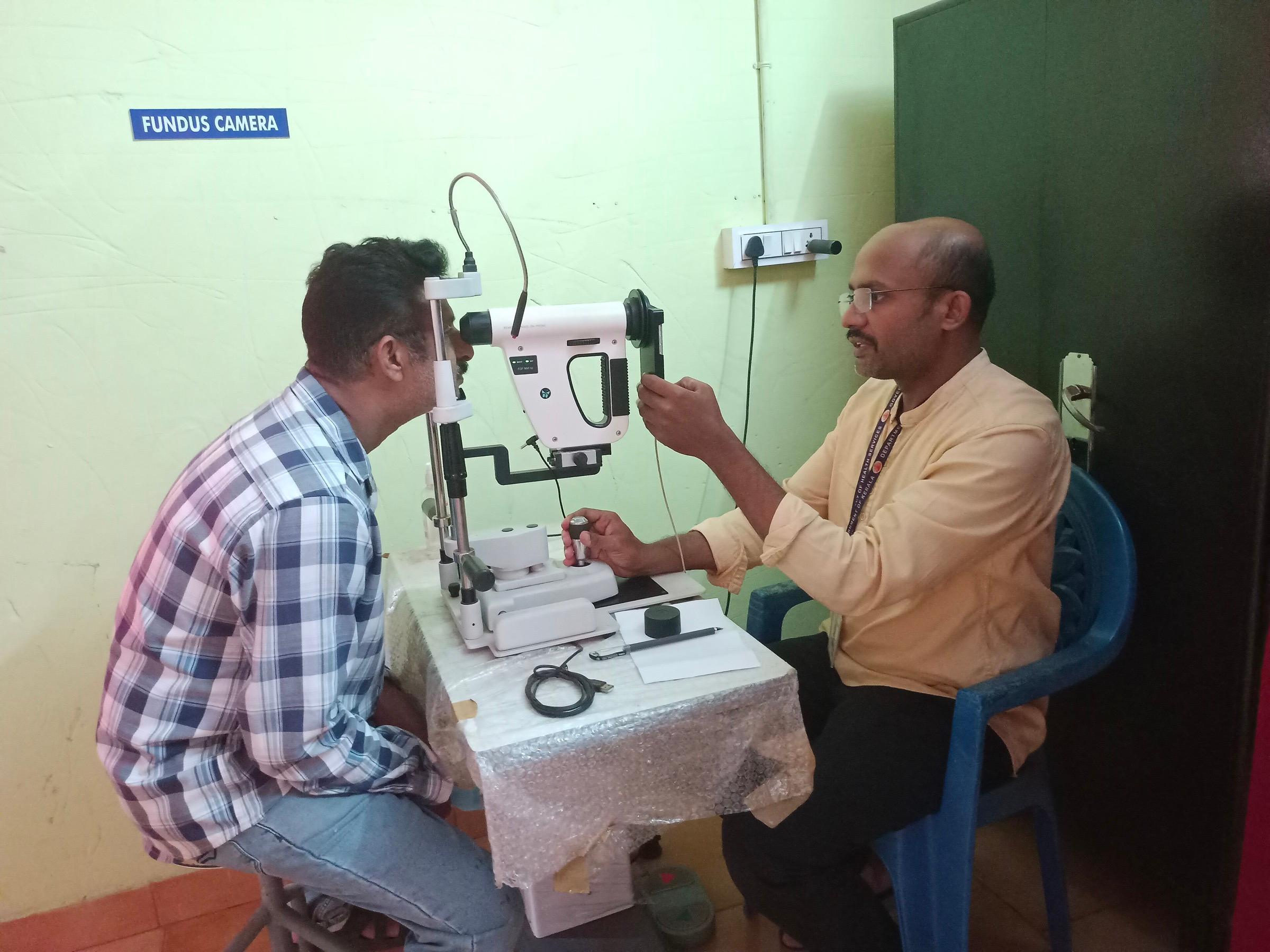
Diabetic retinopathy
Diabetes quietly damages the blood vessels at the back of the eye. Often there are no symptoms until sight is already lost, so a yearly retinal check matters.
Refractive error
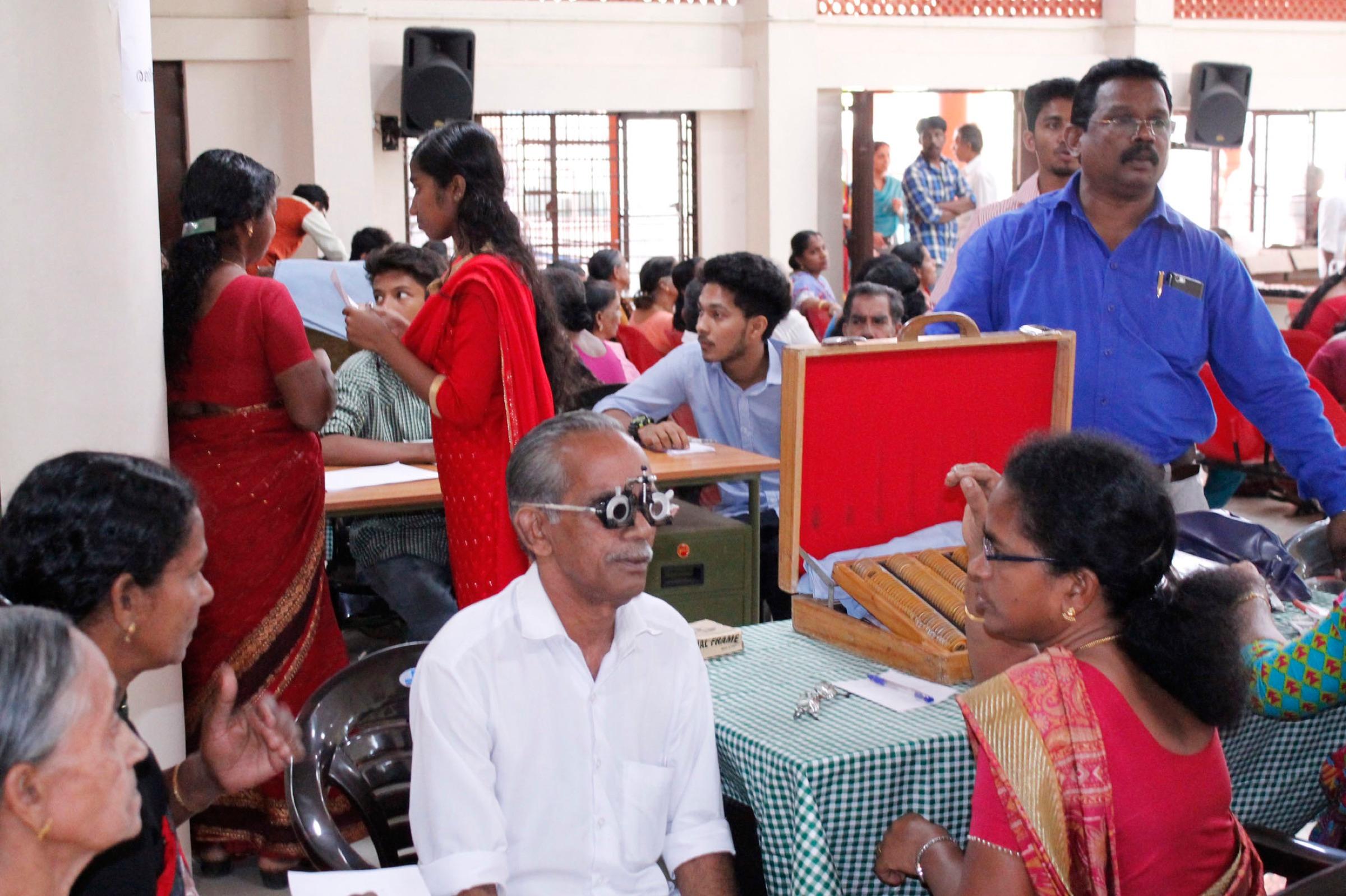
Short sight, long sight and age-related difficulty with near vision blur the world. Often a pair of spectacles is all it takes to see clearly again.
Glaucoma: common questions
Can’t find your answer? Ask for a call back and we’ll talk it through.
I see clearly. Could I still have glaucoma?
Yes. Glaucoma takes side vision first, and the brain fills in the gaps, so many people have no idea until a large part of their vision is gone. An advanced eye examination is the only way to know.
Does glaucoma run in families?
Having a close relative with glaucoma raises your risk several times. If a parent, brother or sister has it, tell the examiner and have your eyes checked regularly.
Can glaucoma be cured?
Vision already lost to glaucoma cannot be restored. Treatment protects the sight you still have, so it is important to keep using any prescribed drops and attend every follow-up.
More on glaucoma
Reach the unreached. Detect early. Intervene on time.
Book an eye screening
Tell us where you are and we'll call you back with the nearest centre or camp.
- Phone+91 88828 97122
- WhatsAppMessage us on WhatsApp