2-minute read
Many serious health problems develop quietly. High blood pressure, diabetes and raised cholesterol often cause no symptoms for years. A yearly health check-up helps you find them early, when simple changes or treatment can make a real difference.
Tests commonly included
Which tests you need depends on your age, health and family history, but an annual check-up often includes:
Blood pressure: to find hypertension, a major risk for heart disease and stroke.
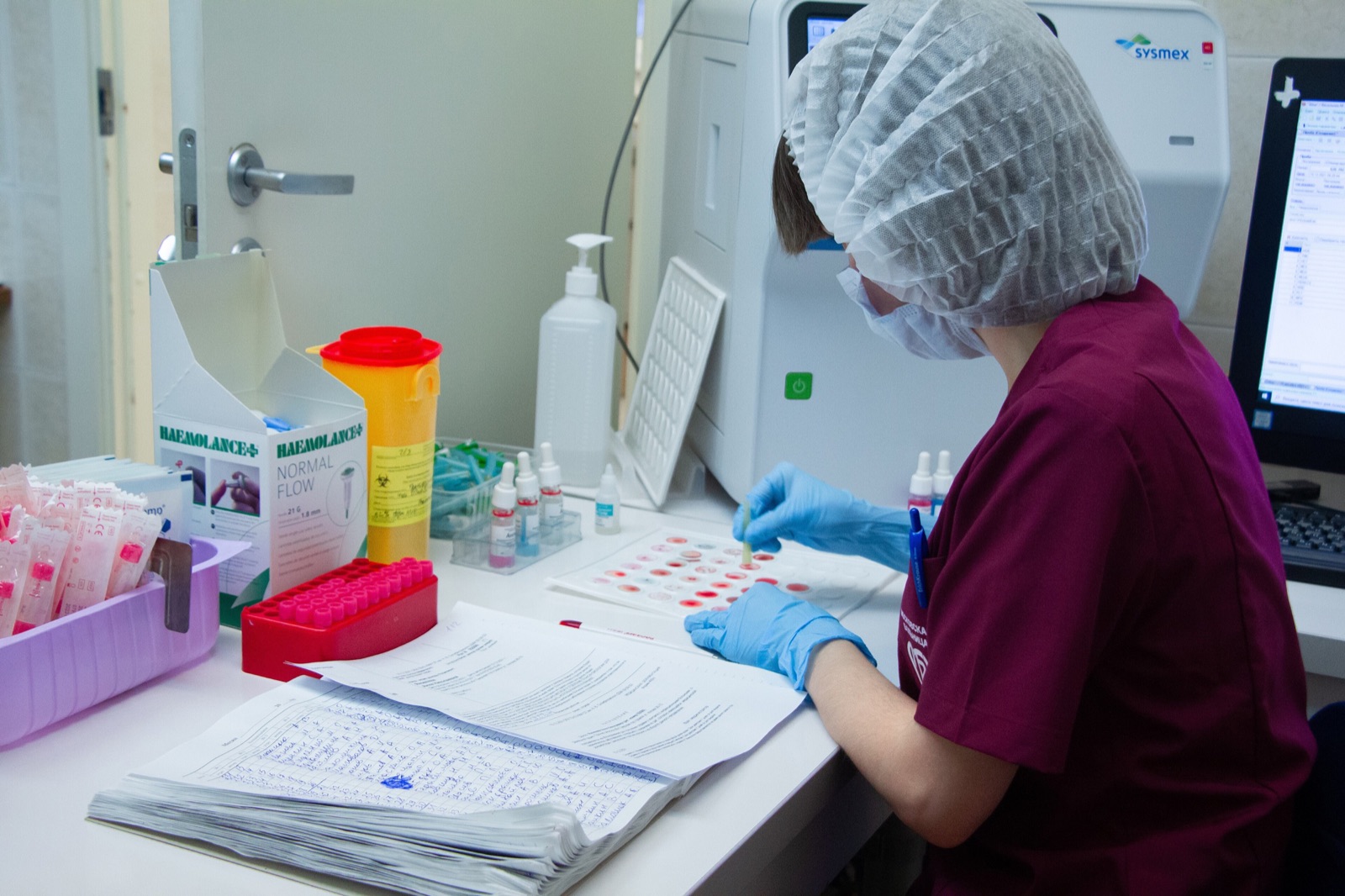
Blood sugar: a fasting glucose or HbA1c test for diabetes and prediabetes.
Lipid profile: cholesterol and triglycerides.
Complete blood count: can show anaemia, infection and other problems.
Kidney and liver function tests: blood tests of how these organs are working.
Thyroid test: where a doctor advises it.
Height, weight and BMI: to track changes over time.
ECG: a recording of the heart's electrical activity, often advised for older adults or those at higher risk.
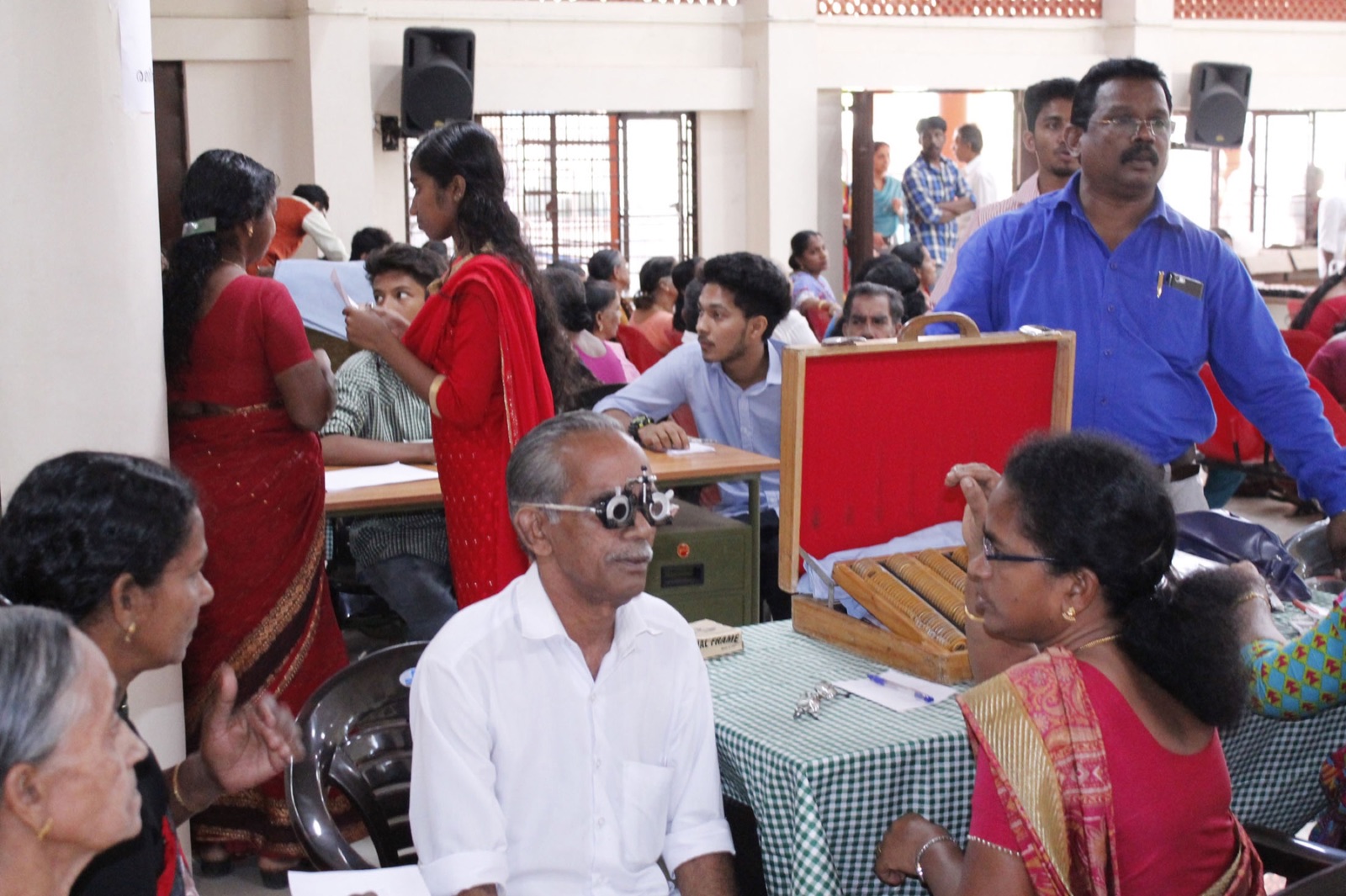
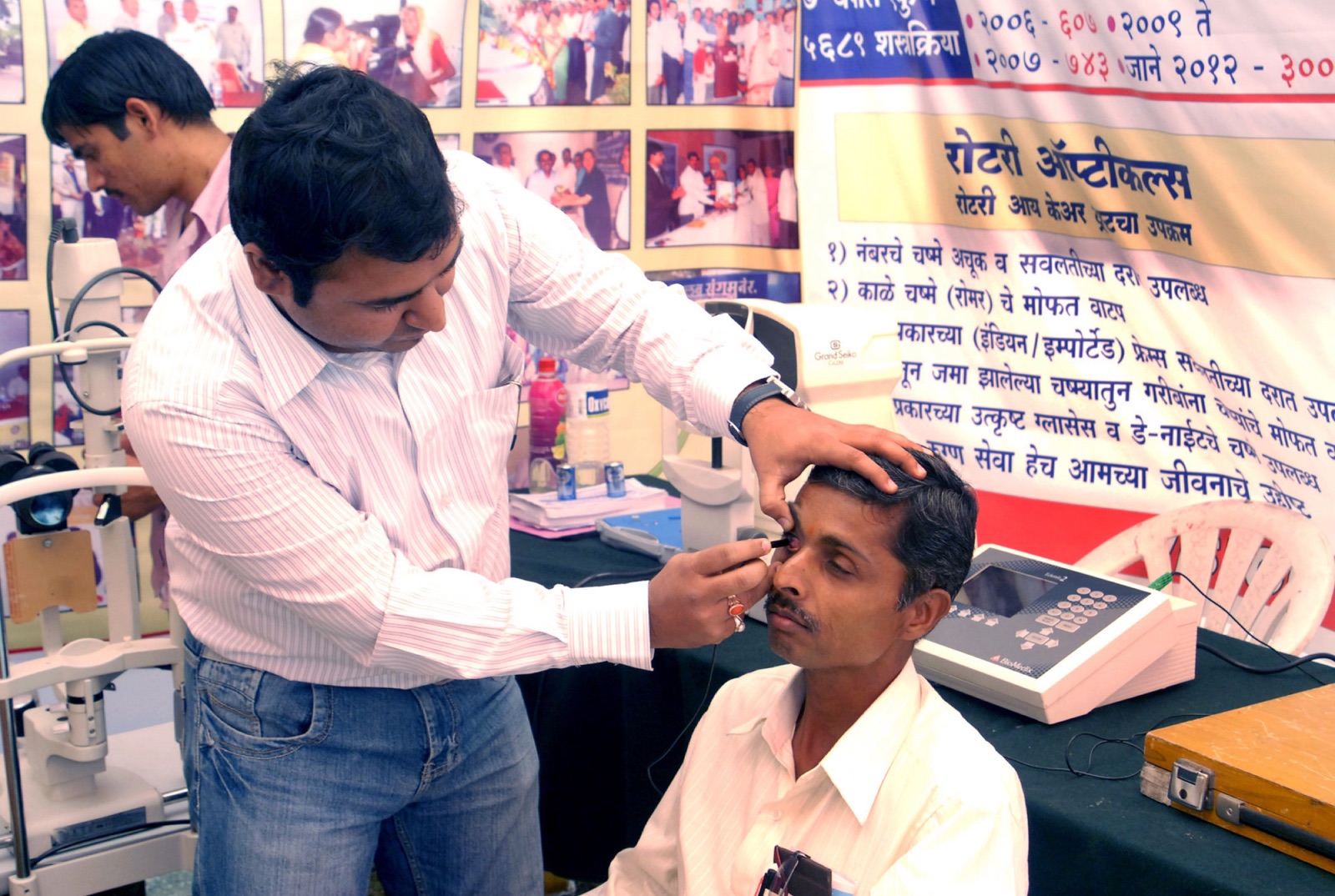
Eye examination: vision and eye health, especially after 40 or with diabetes.
Women should also ask about screening for cervical and breast cancer, based on their age and history.
How to prepare
Ask whether you need to fast, and for how long. Water is usually allowed.
Bring a list of your medicines and any old reports.
Keep taking regular medicines unless you have been told otherwise.
Know your family's health history, such as diabetes or heart disease.
After your results
A check-up only helps if you act on it. Go through your report with a doctor, even if you feel well, and ask what needs follow-up. Keep your reports together so you can compare them year to year. See our guide on how diabetes affects your eyes if your blood sugar is high.
HealthHusk offers preventive health check-ups close to home, with a clear report and referral when needed. Request a call back to book yours.
This article is general information, not medical advice. If you are worried about your eyes or health, see a qualified professional.
Photo: Ja muzalevskaya, CC0