2-minute read
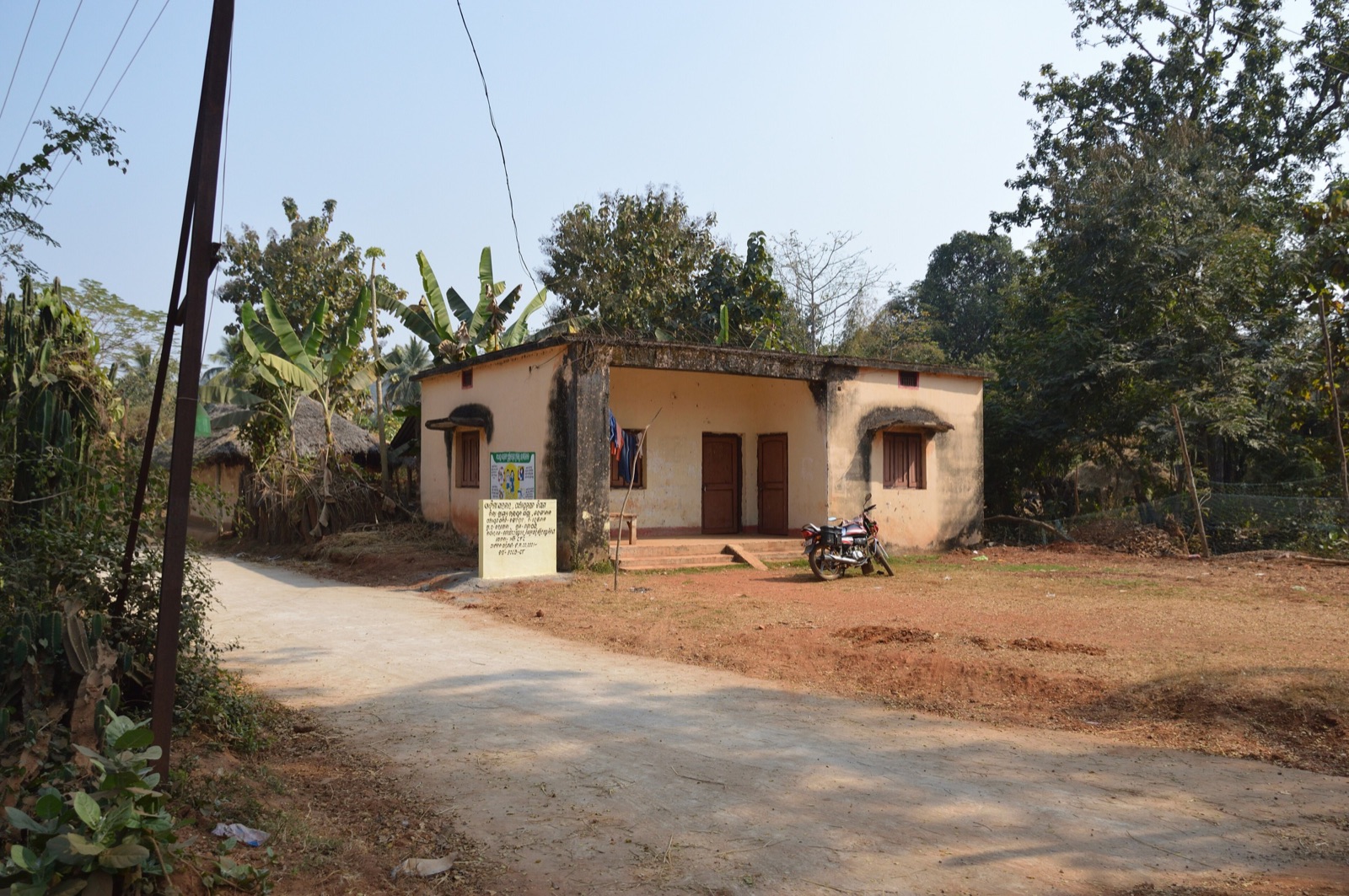
In much of rural India, the nearest eye specialist can be a long and costly journey away. Many people put off that journey until their sight is badly affected. Tele-ophthalmology helps close this gap by bringing the specialist's opinion to the community, without the patient having to travel first.
What is tele-ophthalmology?
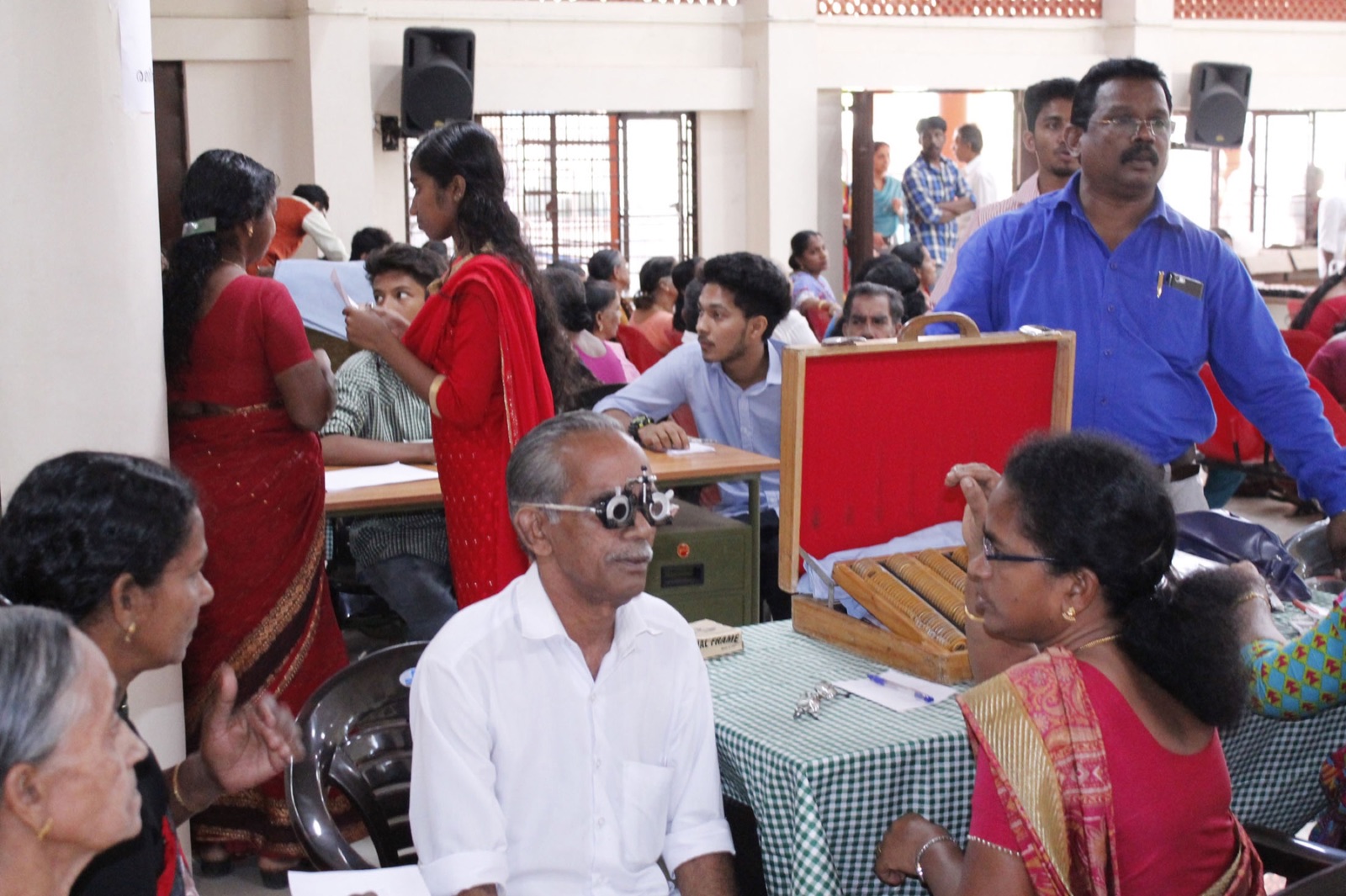
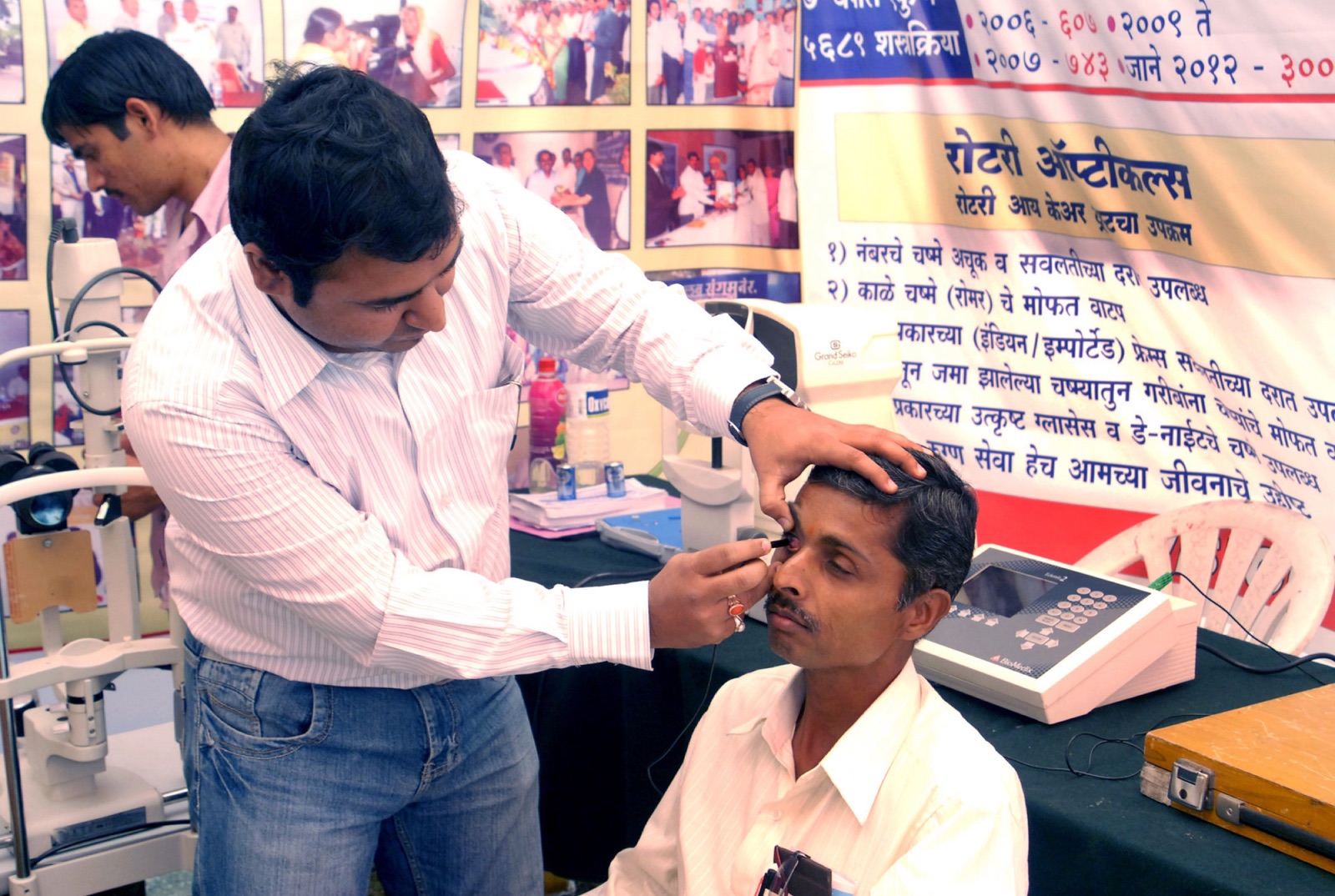
Tele-ophthalmology is eye care delivered at a distance. A trained professional carries out tests and takes photographs of the eye at a local centre or camp. The results are sent securely to an eye specialist, who reviews them from another location and advises on what should happen next.
How it works, step by step
Tests at a local centre: vision is checked and the eye is examined.
Photographs of the eye: a special camera can capture the retina at the back of the eye.
Specialist review: an eye specialist looks at the images and test results.
Advice and next steps: the person gets guidance, spectacles or a referral to a hospital if they need treatment.
What it can help find
Tele-ophthalmology is particularly useful for screening. Retinal photographs can show signs of diabetic retinopathy, and the examination can pick up signs of cataract and glaucoma that need a closer look.
Why it matters
Less travel, time and cost for the first assessment
Specialist opinion for communities without a resident eye doctor
Earlier detection, while more can still be done
Hospital visits for the people who really need them
What it can't do
Tele-ophthalmology does not replace a hospital. Surgery and many treatments still need an in-person visit, and some conditions need a full examination by a specialist. Its job is to find who needs that care and help them reach it sooner.
This approach sits at the heart of how HealthHusk works. Read more about eye screening close to home, or request a call back.
This article is general information, not medical advice. If you are worried about your eyes or health, see a qualified professional.
Photo: Biswarup Ganguly, CC BY 3.0