2-minute read
Glaucoma is a group of eye diseases that damage the optic nerve, the cable that carries images from the eye to the brain. It is often called the silent thief of sight because it takes vision so slowly, and so quietly, that many people have no idea they have it.
Why people don't notice it
The most common type of glaucoma usually causes no pain and no redness. It affects side vision first. Central vision stays clear, so reading and recognising faces seem normal, and the brain fills in the gaps. By the time someone notices a problem, a lot of vision may already be gone.
Vision lost to glaucoma cannot be brought back. That is why finding it early matters so much.
Who is at higher risk
People over 40, with the risk rising with age
People with a parent, brother or sister who has glaucoma
People with diabetes
People with strong short sight
People who have had an eye injury
People who use steroid medicines for a long time, including eye drops
Warning signs to act on
A less common form, acute angle-closure glaucoma, happens suddenly. It is a medical emergency. Go to a hospital straight away if you have severe eye pain, a bad headache with nausea or vomiting, blurred vision, or coloured rings around lights.
How glaucoma is found
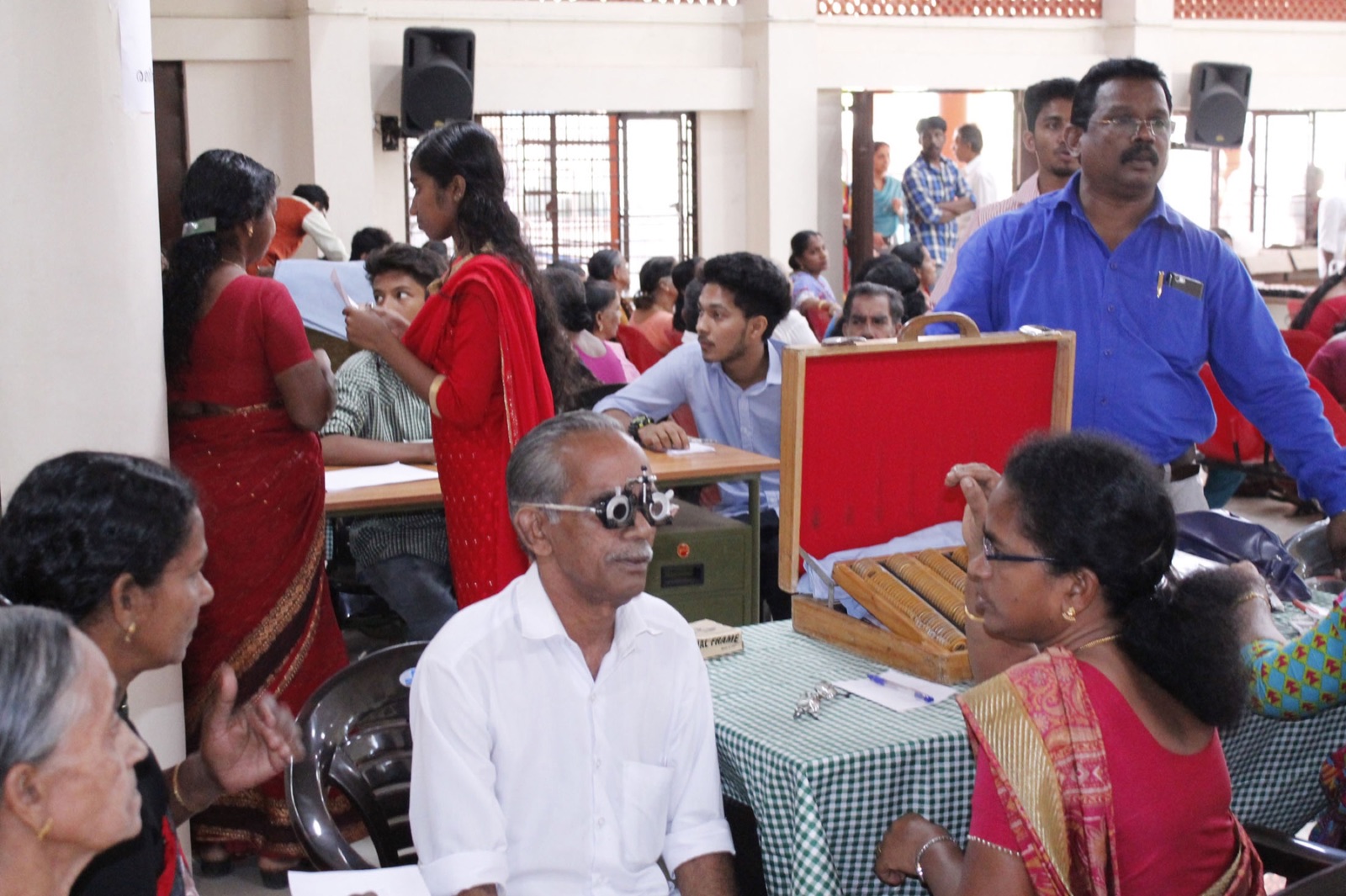
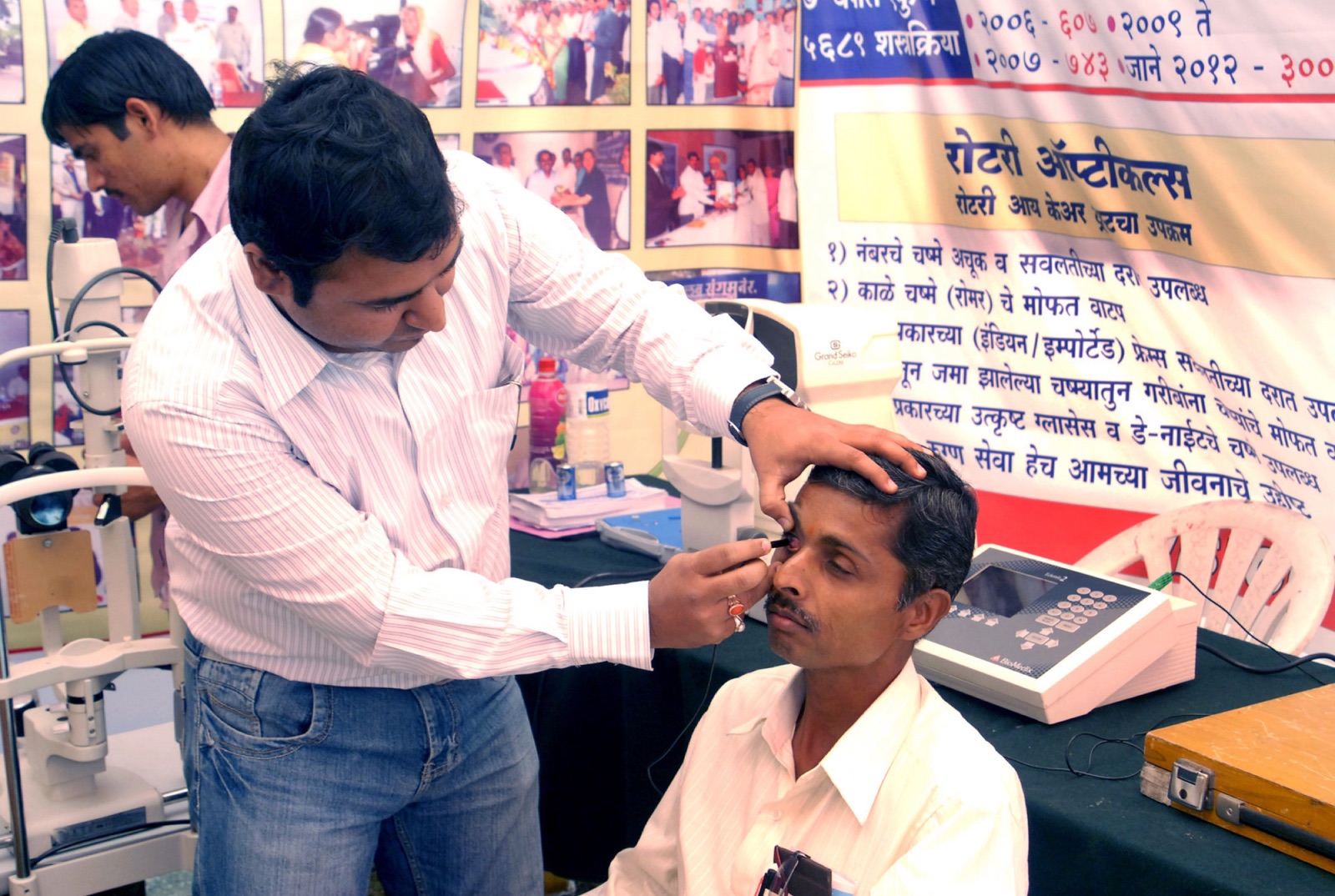
Because the early stages have no symptoms, the only reliable way to find glaucoma is an eye examination. This includes measuring the pressure inside the eye and looking at the optic nerve. If there are warning signs, a field test checks your side vision.
How it is treated
Treatment cannot restore lost sight, but it can slow or stop further damage. Most people use daily eye drops to lower the pressure in the eye. Some need laser treatment or surgery. Treatment is usually lifelong, so it is important to keep taking drops and attending follow-up visits even when you feel fine.
If you are over 40 or have a family history of glaucoma, have your eyes checked. Read more about glaucoma screening or request a call back.
This article is general information, not medical advice. If you are worried about your eyes or health, see a qualified professional.