1-minute read
Among Indians aged 50 and over, cataract causes two in every three cases of blindness. Yet it is one of the most treatable eye conditions there is. The hard part is often not the treatment, but getting to it in time.
What is a cataract?
Inside the eye is a clear lens that focuses light, like the lens of a camera. With age, this lens slowly turns cloudy. Looking through it is like looking through a frosted or dirty window.
Early signs
Blurred, dim or cloudy vision
Colours look faded or yellowish
Bright light or headlights cause glare, or lights have halos
You need more light to read or sew
Your spectacles need changing often, or stop helping
Can medicine or eye drops help?
No. There is no eye drop, tablet or home remedy that removes a cataract. In the early stages, stronger spectacles and good lighting can help. When the cataract starts to affect daily life, surgery is the only treatment.
What surgery involves
In cataract surgery, the cloudy lens is removed and replaced with a clear artificial lens. The eye is numbed, the operation is usually short, and most people go home the same day. Vision often improves within days.
How HealthHusk helps
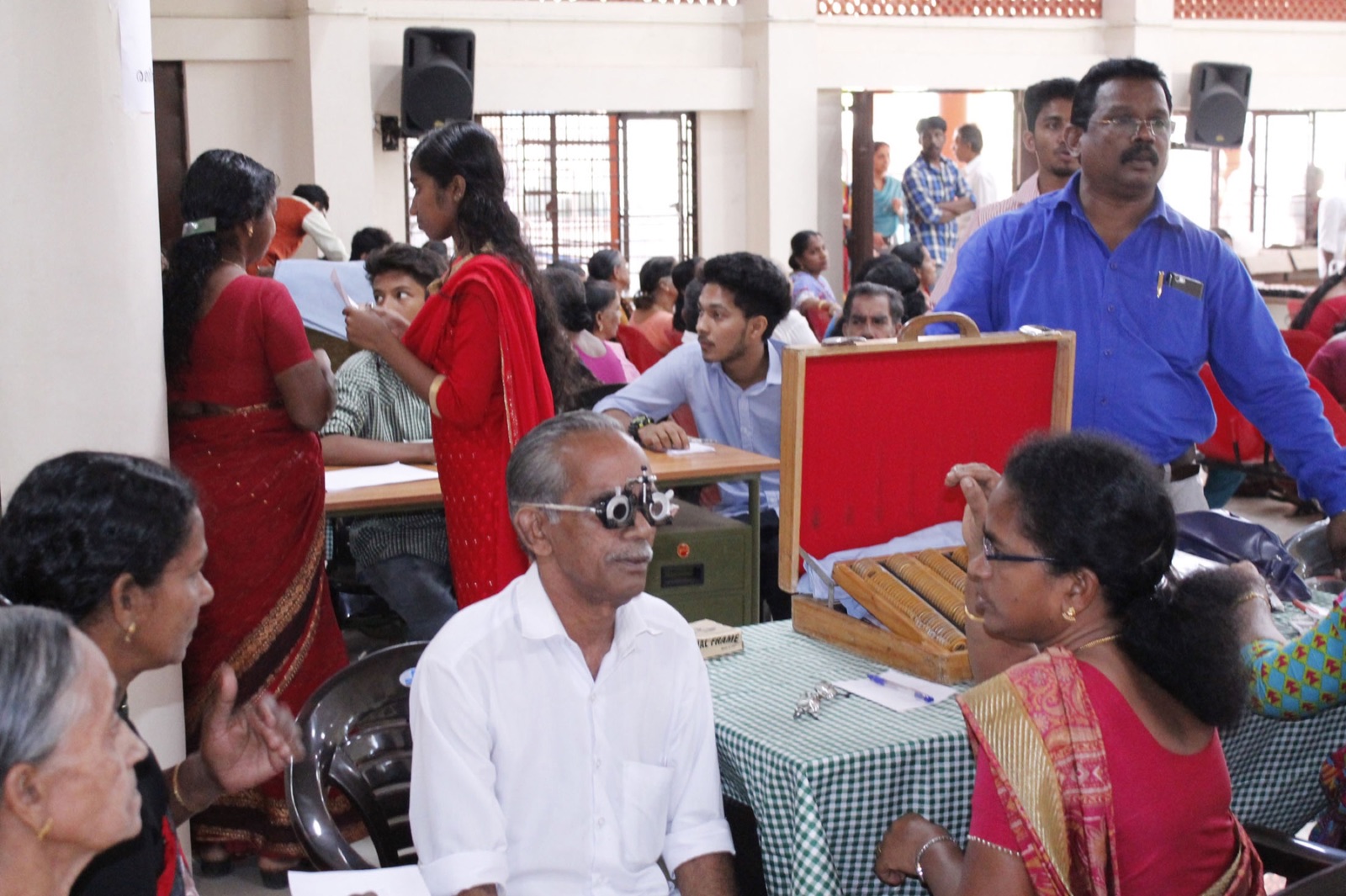
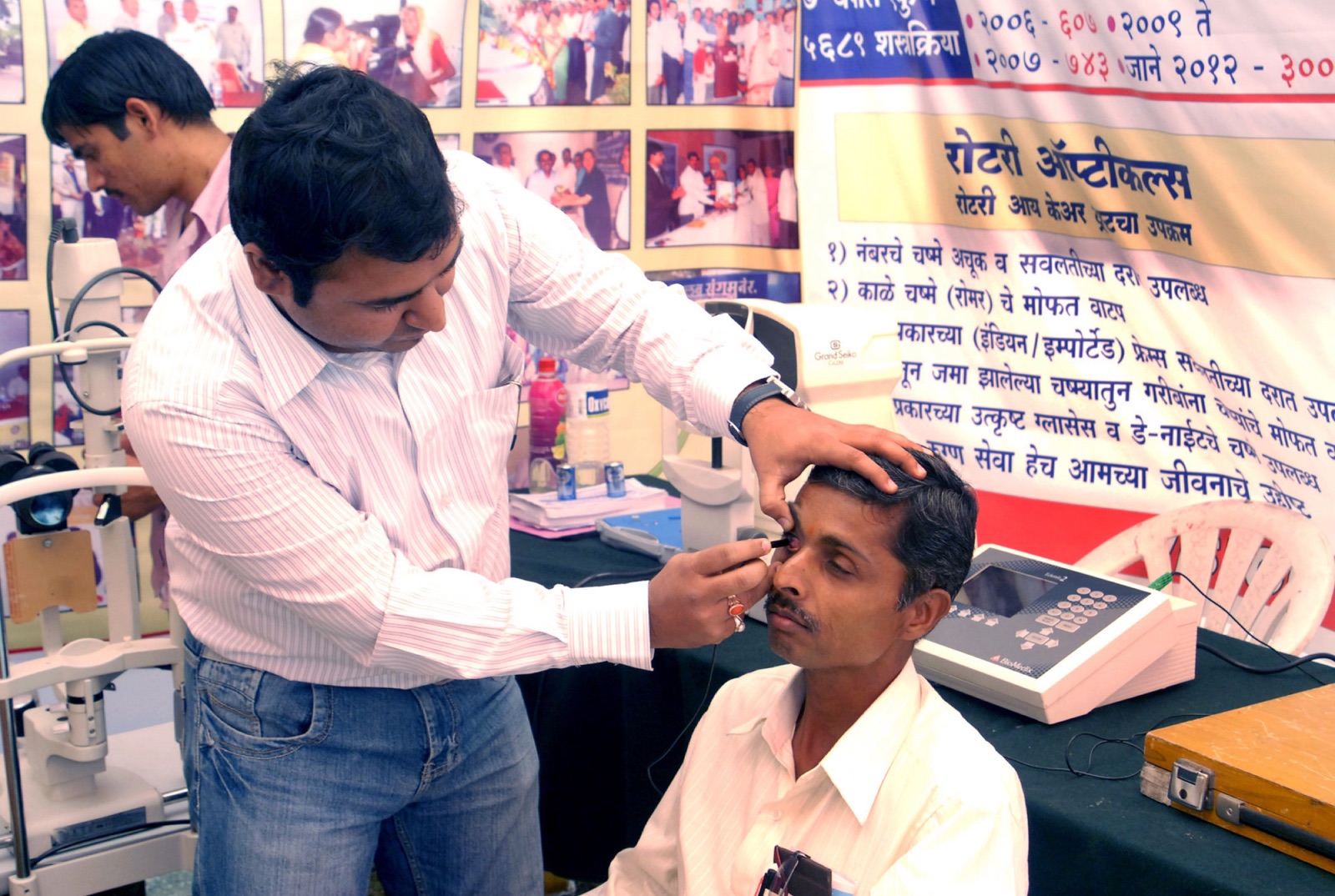
At our Primary Vision Centres and camps, we test vision and examine the eye. If a cataract is affecting your sight, we refer you to a partner hospital for surgical evaluation, help you arrange the appointment, and follow up after surgery with new spectacles when your eye has healed.
Learn more: Cataract: symptoms, risks and how we help
Source: National Blindness & Visual Impairment Survey 2015–19, AIIMS / Ministry of Health and Family Welfare
This article is general information, not medical advice. If you are worried about your eyes or health, see a qualified professional.
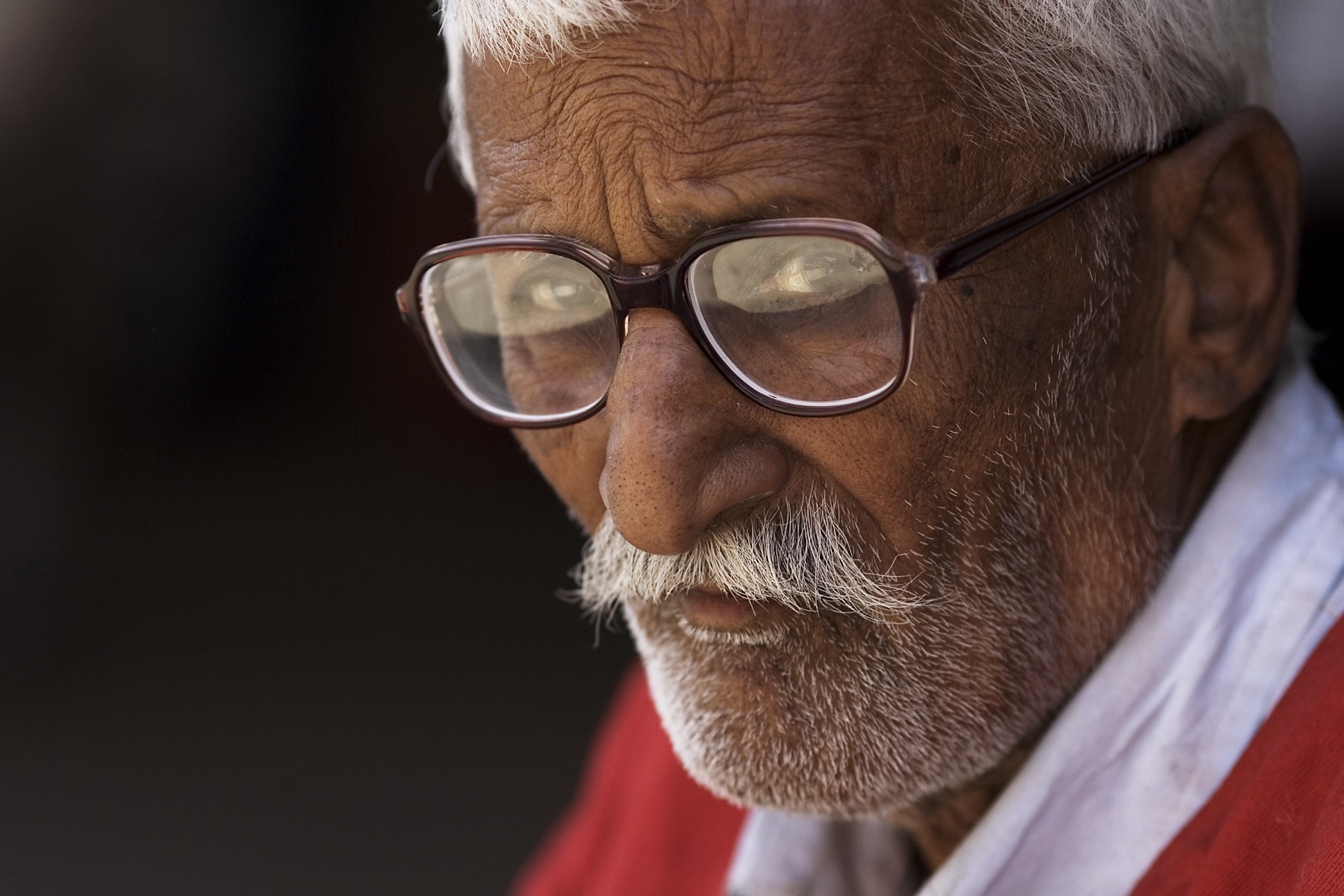
Photo: Jorge Royan, CC BY-SA 3.0