2-minute read
A pre-employment health check-up helps an employer confirm that a new hire can do a job safely, and gives the new hire a clear picture of their own health. Done well, it is a fair and simple step in onboarding.
What it usually covers
The right set of tests depends on the role, but a typical check-up can include:
Medical history and a general physical examination
Height, weight and blood pressure
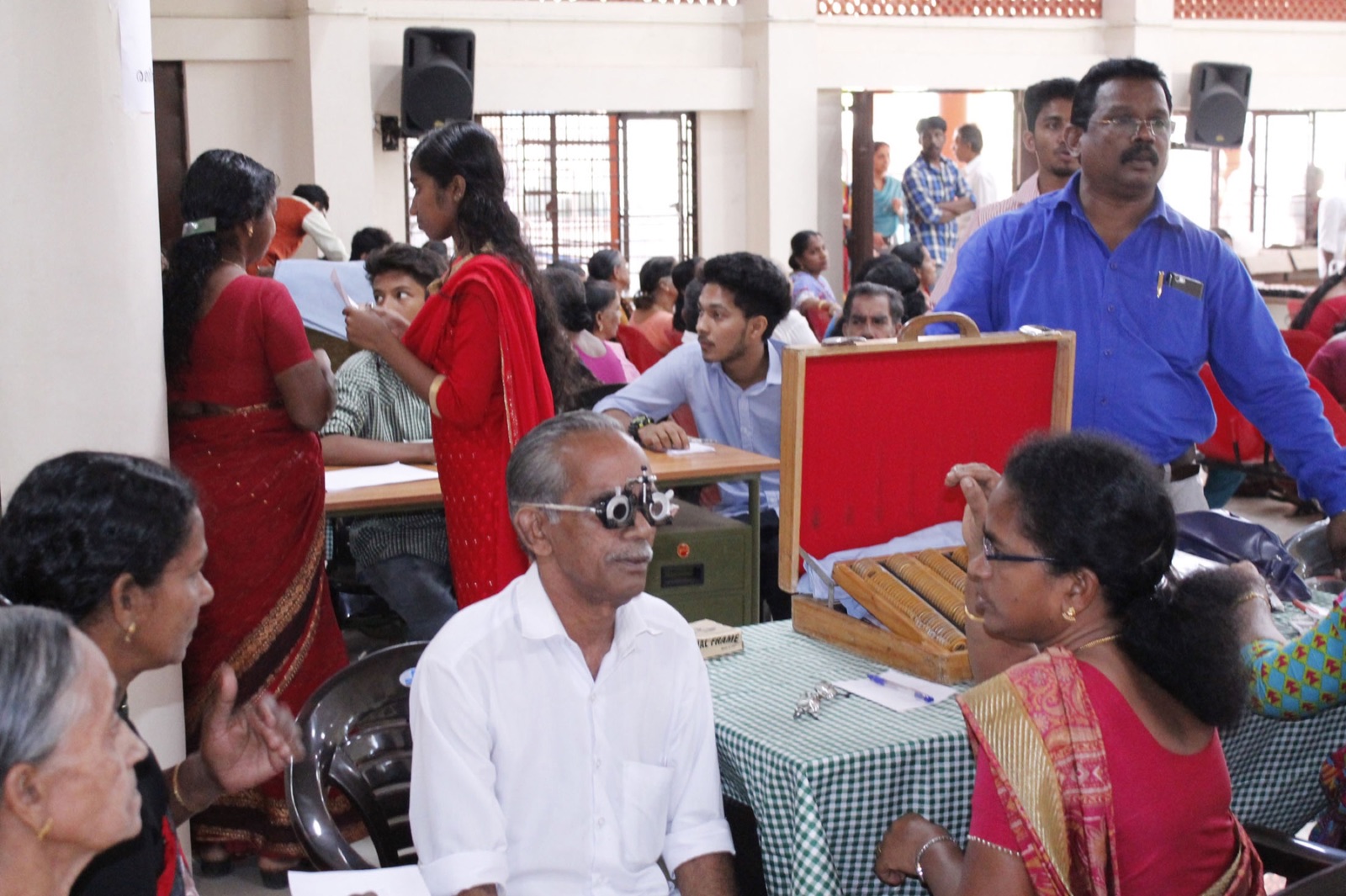
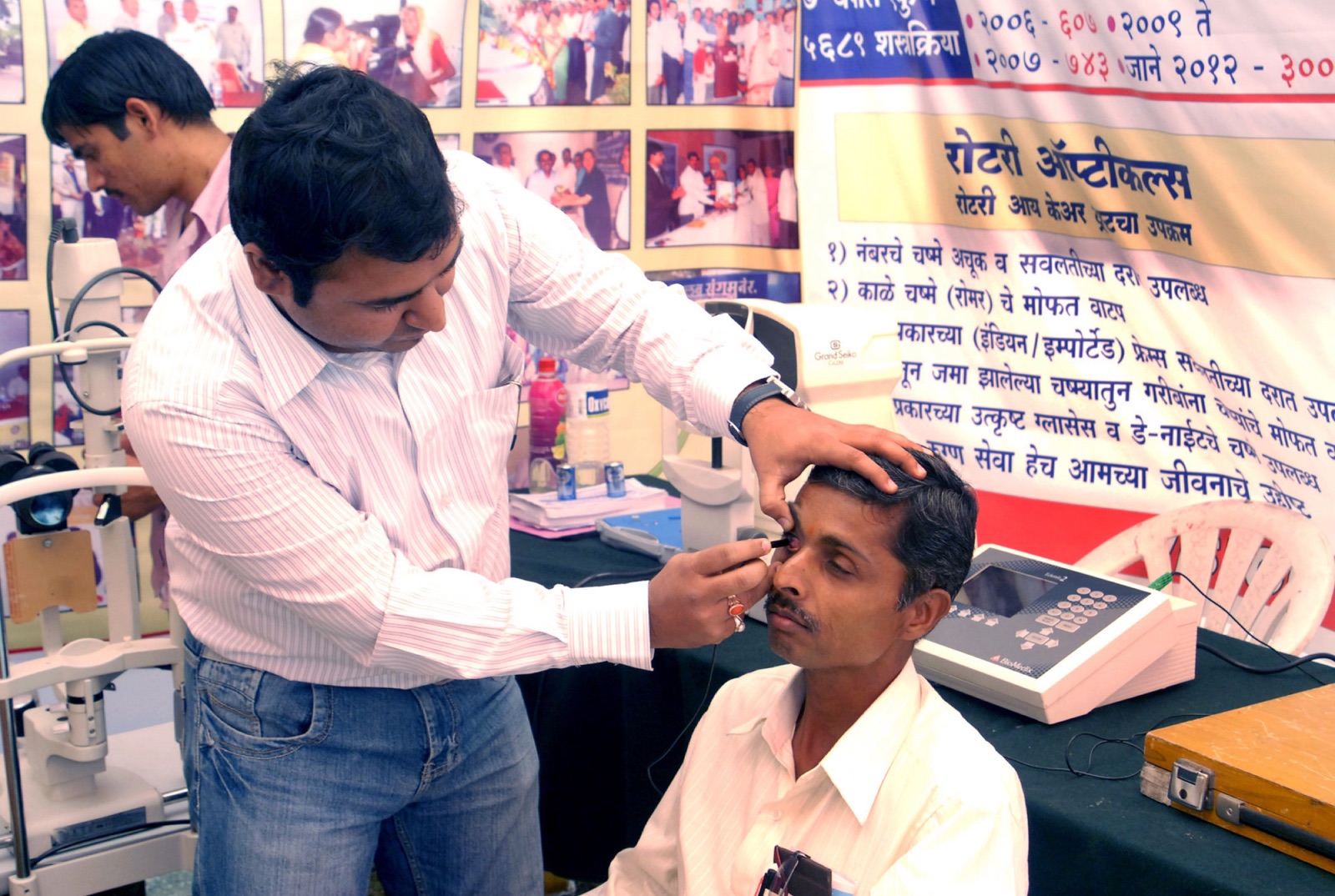
Vision testing, including colour vision where the role needs it
Blood tests, such as blood count and blood sugar
Further tests, such as ECG or chest X-ray, where they are relevant to the role
Match the check-up to the job
A desk role and a role with specific physical or vision demands don't need the same assessment. Define the requirements for each role once, so that every candidate for that role is assessed in the same way. Keep tests relevant to the work, and check any legal requirements that apply to your industry with your advisers.
Handle health information with care
Tell candidates what will be tested and why, and get their consent.
Let candidates see their own results.
Agree in advance what the employer will receive. Often a fitness outcome is enough, without the full medical report.
Store any health information securely and limit who can see it.
Make it easy for new hires
Scheduling is where things often slow down. Give candidates clear instructions on where to go, whether to fast, and what to bring. A check-up process that runs smoothly gives new hires a good first impression of your company.
Working with HealthHusk
Tell us the requirements for each role and we will set up the assessment to match. Pre-employment check-ups are part of our corporate health programmes, alongside annual check-ups and in-office health days. See also how to plan a workplace health day.
This article is general information, not medical advice. If you are worried about your eyes or health, see a qualified professional.