1-minute read
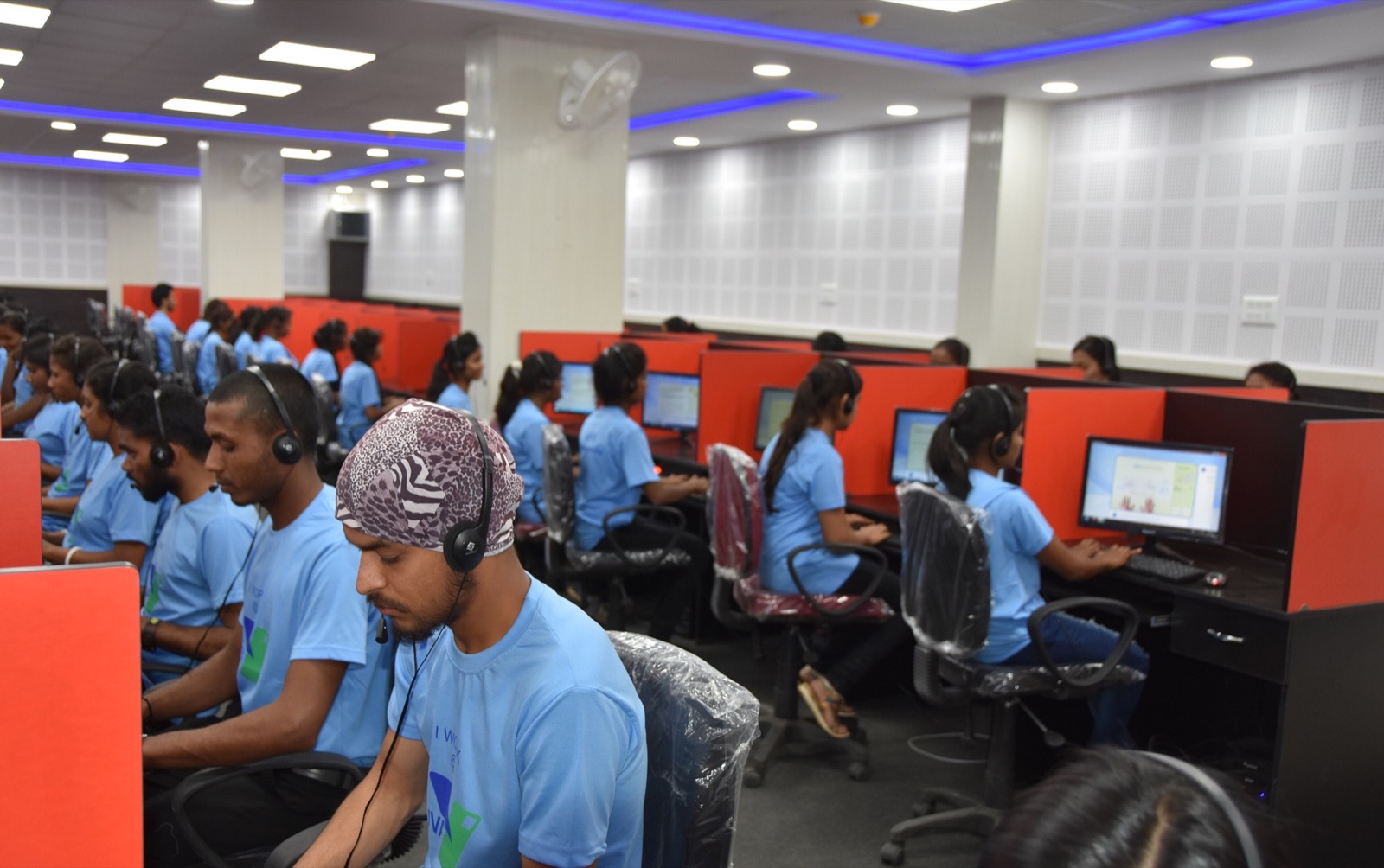
If your eyes feel tired, dry or sore by the end of a working day, you are not alone. Digital eye strain, also called computer vision syndrome, is common among people who spend long hours at a screen.
Common symptoms
Tired, sore or burning eyes
Dry or watery eyes
Blurred vision, or trouble refocusing after looking at a screen
Headaches
Pain in the neck and shoulders
What causes it
We blink less when we concentrate on a screen, which lets the surface of the eye dry out. Keeping the eyes focused at one distance for hours also tires them. Glare, poor lighting and a badly placed monitor make things worse. Uncorrected vision problems, even small ones, are another common cause.
Habits that help
Follow the 20-20-20 rule: every 20 minutes, look at something about 20 feet away for 20 seconds.
Blink on purpose: especially during long tasks.
Set up your screen: about an arm's length away, with the top of the screen at or just below eye level.
Reduce glare: keep windows to the side of the screen rather than in front or behind.
Adjust the display: match the brightness to the room and make the text comfortably large.
Take proper breaks: stand up and move away from your desk regularly.
When to get your eyes checked
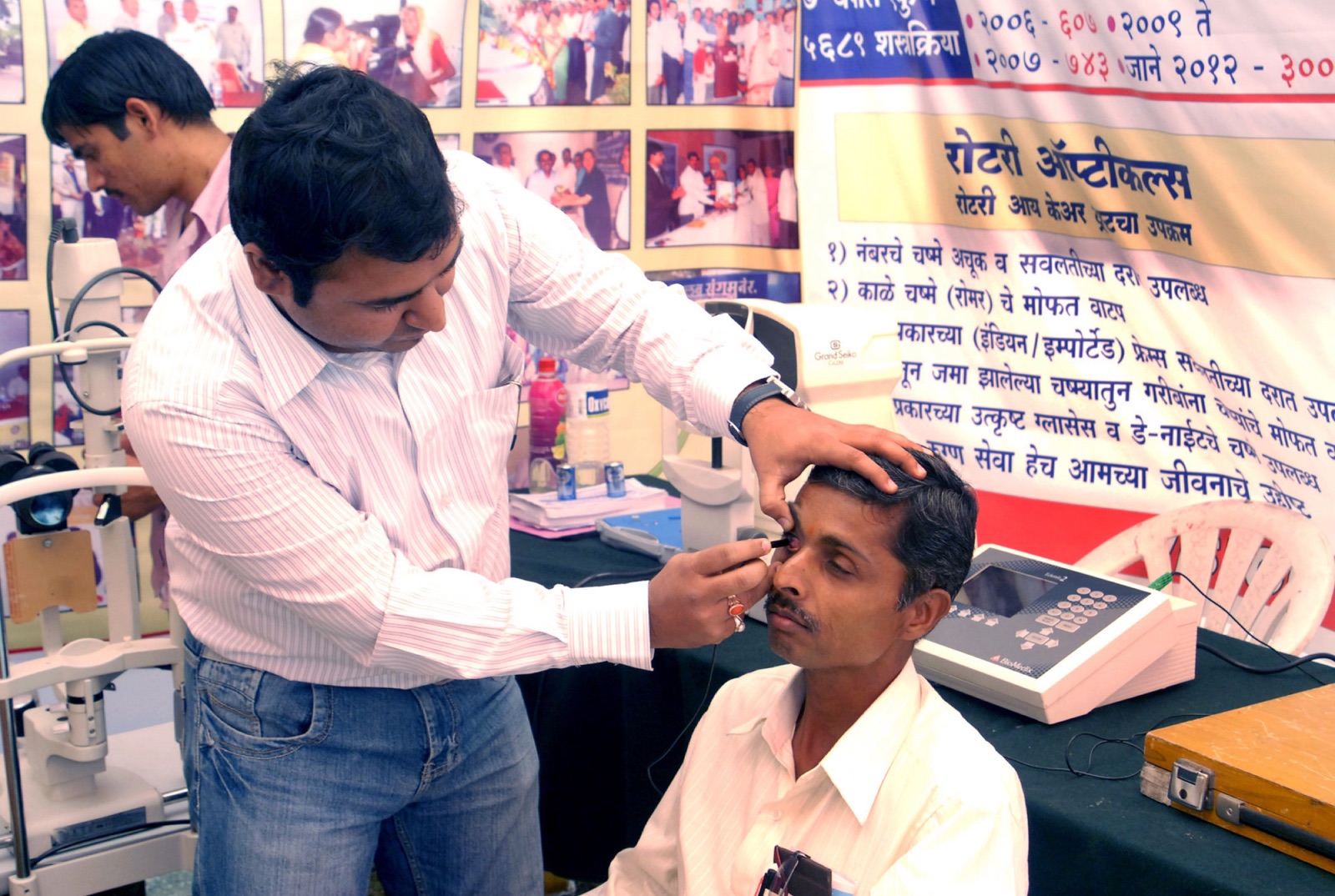
Digital eye strain usually settles with rest and better habits. If symptoms keep returning, have your eyes tested. You may need spectacles or a change of power, or have dry eye that needs treatment. Ask an eye care professional before using eye drops regularly.
For employers
Teams that work on screens all day benefit from regular eye checks. HealthHusk offers advanced eye examinations for companies, held in your office with confidential results for every employee.
This article is general information, not medical advice. If you are worried about your eyes or health, see a qualified professional.
Photo: Samuel.Wsx, CC BY-SA 4.0